

As another year unfolds, the familiar ritual of goal-setting in January returns, accompanied by optimism. Yet one of the most influential factors in whether those goals are sustained often goes unexamined: the home environment shapes daily routines long before motivation is tested.
Why January feels like a natural reset
The start of the year carries a psychological weight that goes beyond tradition. Behavioral researchers describe January as a “temporal landmark,” a point that encourages reflection and signals a break from past habits. This mindset extends naturally to the home, where accumulated clutter and temporary set-ups often linger long after they stop serving a purpose.
Unused clothing, crowded surfaces, and improvised storage act as constant visual reminders of unfinished decisions, subtly adding friction to everyday life. Decluttering at the beginning of the year is an intention to decide what deserves space now, rather than what once did.
When the home is aligned with current needs, daily choices require less effort. Fewer distractions mean less time spent searching, rearranging, or compensating for disorder, freeing mental energy for more meaningful priorities.
The foundation of daily rhythm
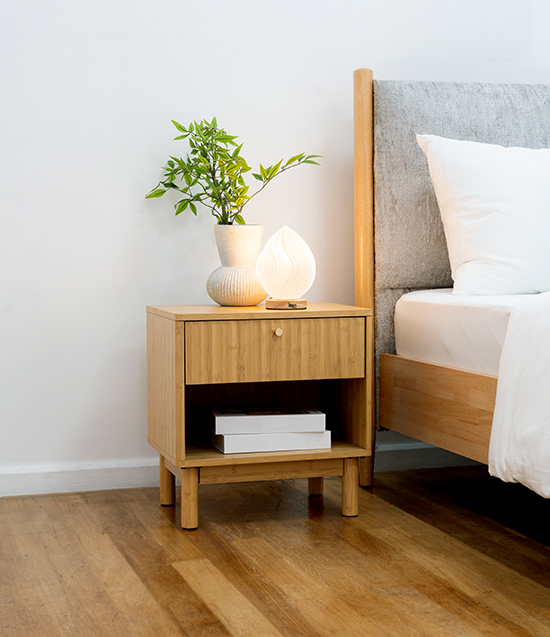
The bedroom is where the success of the day often begins or unravels. Quality sleep affects focus, emotional regulation, immunity, and overall resilience, yet it is frequently compromised by poor lighting, inadequate bedding, or visual clutter.
Thoughtful upgrades such as supportive mattresses, suitable pillows, and breathable bedding contribute to uninterrupted sleep and can significantly improve rest.
Lighting and temperature are equally important. They help prepare the body to relax and support its natural sleep cycle, allowing deeper, more restorative rest. Simplifying the bedside area and keeping only the essentials within reach also reduces visual noise, helping the mind disengage at the end of the day.
Encouraging better health choices
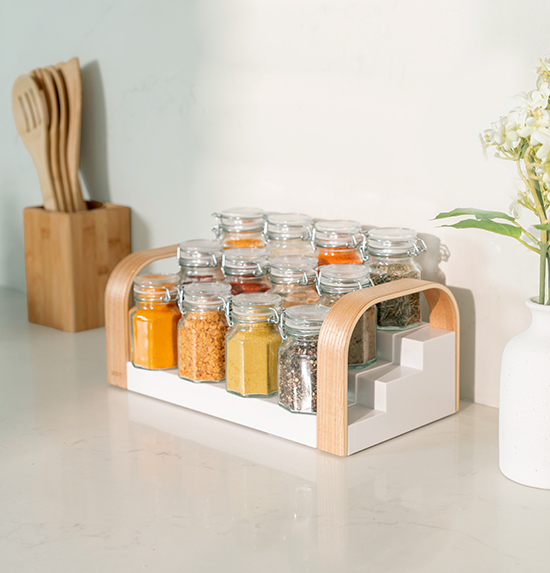
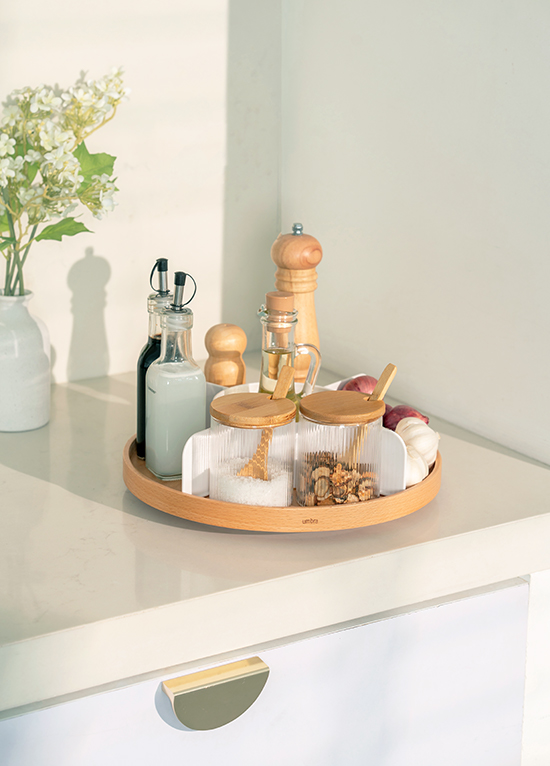
Health goals often succeed or fail in the kitchen. An overcrowded or poorly organized space can turn cooking into a chore, making convenience more appealing than intentional. Clearing countertops and establishing defined zones for preparation, cooking, cleaning, and storing can improve functionality.
Organization also shapes behavior. When nutritious options are visible and accessible, they are more likely to be chosen. Clear containers and structured storage reduce food waste and make meal planning easier, while small visual upgrades can transform the kitchen into a space that invites use rather than avoidance.
Designing a home for the year ahead
A home is not separate from personal goals. It’s the framework that supports them. The bedroom that provides restorative sleep, the kitchen that makes healthy choices easy, and the decluttered spaces that free up mental energy all contribute to consistency over time. Rather than relying solely on motivation, an intentionally designed living space makes better decisions easier and more sustainable.
Begin the year right and gear yourself up to finishing what you set out to do. Visit SM Home and get your 2026 Reset started!
Practical tips for getting it done
Knowing you should organize is different from doing it. Here’s how to make it happen:
• Set a clear timeline and treat the reset as a short-term project rather than an open-ended task.
• Sort belongings decisively by keeping only what is actively used or genuinely needed. Use the four-box method: keep, donate, trash, relocate.
• Start with the areas that cause the most daily frustration. Tackle those first to motivate you to keep going.
• Buy storage solutions only after decluttering to make sure they serve a real purpose.
• Maintain it with tiny, consistent habits. Small and simple actions prevent the chaos from creeping back in.
#PropertyPR
#MediaRelease
