

Our communities, especially cities, are confronting formidable challenges such as climate change and natural disasters. Our failure to manage these crises effectively can lead to significant public issues. In the current volatile global climate, resilient cities are essential for survival, prosperity, and long-term success. Building resilience is crucial for modern Filipinos to ensure a sustainable future.
Why resilience?
Resilience is paramount for safeguarding individuals and maintaining their well-being. When urban centers possess robust infrastructure and collaborate effectively in responding to emergencies, they can effectively mitigate the incidence of injuries and displacement among residents during disasters and calamities. Furthermore, the presence of social safety nets and cohesive communities facilitates the prompt recovery of our vulnerable populations.
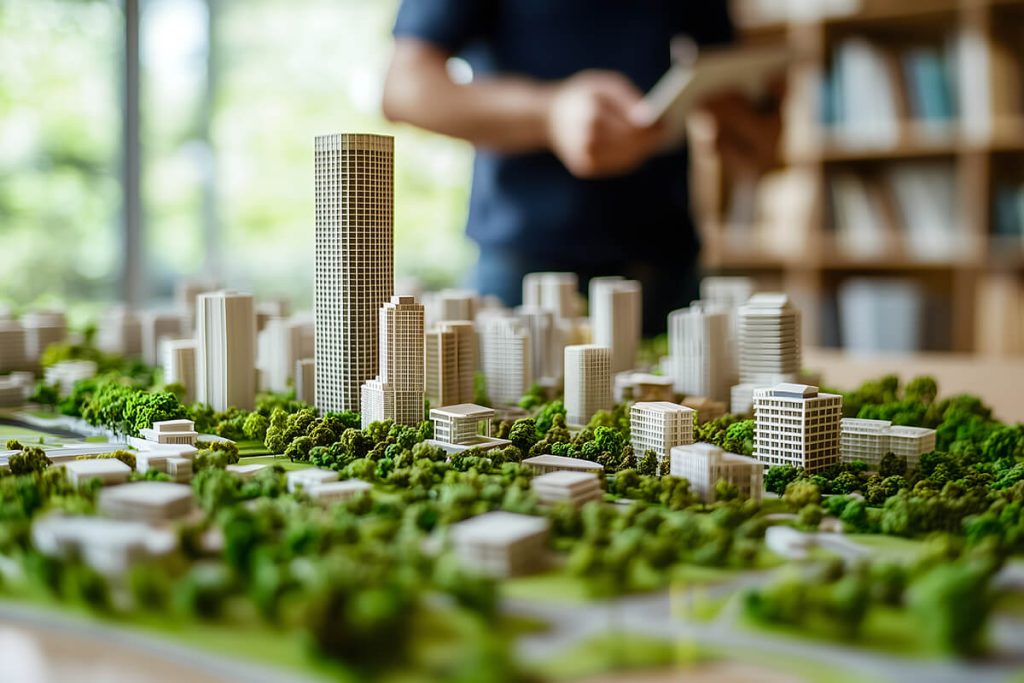
Cities that demonstrate resilience also exhibit economic stability. Serving as pivotal engines for the economy, disrupted communities can render businesses inoperable, disrupt supply chains, and hinder the delivery of essential services to those in need. Investing in resilient infrastructure and fostering economic diversity within cities equips them to recover from downturns and eventually achieve long-term prosperity.
Cities also exert a significant influence on the environment, necessitating their leadership in combating climate change. Resilient urban development should prioritize the creation of green spaces, efficient resource and energy management, and the establishment of healthier and more sustainable environments for all citizens.
Where should we focus?
Future-resilient infrastructure is essential for maintaining the safety and strength of cities. Essential services such as transportation, energy, water, and communication systems must be equipped to withstand weather-related disruptions. Advancements in materials, cutting-edge technologies, and comprehensive backup plans ensure the continuous availability of vital services.
Climate-smart planning considers the city’s vulnerability and influences decision-making processes regarding construction locations. It avoids high-risk areas and promotes environmentally beneficial development.

In addition to a strong infrastructure, adaptable governance is equally crucial. This includes effective leadership, clear responsibilities, seamless coordination, and data-driven risk assessment and management-informed urban development plans. Long-term resilience strategies, flexible and adaptable planning approaches, and community engagement are all vital components. Inclusive planning processes that involve residents, businesses, and community organizations are necessary to foster public awareness, education, and preparedness for risks, emergency response, and preparedness measures.
To develop a more resilient urban environment, it is imperative to adopt proactive planning and financial management strategies. Comprehensive understanding of the impact of disasters on cities is crucial to ensure preparedness. Furthermore, leveraging technology to our advantage is essential. Advanced early warning systems provide us with the opportunity to intervene before the situation escalates. Intelligent technologies enhance resource management and service delivery. Lastly, vital communication systems ensure seamless coordination among stakeholders during emergencies.
Ecosystem-based approaches offer protection against floods and storms. Green and blue infrastructure facilitates improved water management, supports biodiversity, and contributes to a more resilient environment.
What initiatives are being undertaken?
As the Philippines faces these challenges, our agencies are collaborating with multi-lateral and international institutions on programs such as the German-Philippines’ Transformative Actions for Climate and Ecological Protection and Development (TRANSCEND) project and the Australian-funded Strengthening Institutions and Empowering Localities Against Disasters and Climate Change (SHIELD) initiative. These projects aim to make the Philippines stronger and more prepared for the future. Both share a common goal of empowering the Philippines to deal with climate change by addressing environmental and social problems, providing resources, expertise, and frameworks to resources, knowledge, and tools needed to protect the people from the effects of climate change.
TRANSCEND, informally launched last year with grants from the International Climate Initiative (IIKI) and implemented by a consortium led by GIZ, aims to accelerate climate change adaptation, mitigation, and biodiversity conservation policies by collaborating with government agencies, civil society, and the private sector. Its approach enhances natural resource management, promotes ecosystem-based adaptation in urban areas, improves energy efficiency, supports low-carbon transport, and strengthens climate governance. TRANSCEND’s “whole-of-society” approach ensures broad engagement and alignment with national and international sustainability agendas.
The SHIELD project, meanwhile, focuses on strengthening institutional and community-level resilience to disasters and climate change impacts. Implemented by the UNDP and consortium partners, it aims to develop a national resilience index, streamline climate finance mechanisms, enhance local government capacity for risk-informed investments, and establish accessible climate and disaster data systems. SHIELD’s systemic changes and empowerment of vulnerable communities aim to build a more prepared and resilient Philippines.
Cities need to be resilient and should be able to bounce back from crises, like climate change and natural disasters. When they do, we’ll all have a safer, more prosperous, and sustainable future.
#PropertyReportFeature
#FeaturedStory
