

Elegant. Glamorous. Rich.
Grand. Luxury. Exclusive.
These are the words often used to describe interior design–a discipline perceived as serving only the privileged few. Well-designed spaces, many believe, are synonymous with exclusivity.
This perception, or perhaps a stigma, has long defined the profession.
A misconception, certainly. And for some, perhaps partly true. But it is far from the whole story.
In the truest context, the interior design profession is about defining spaces according to their function and use. It is a rigorous and comprehensive process that begins with a concept translated to space planning and layout, extends to materiality and texture, color harmony, construction, and installation–and culminates in what matters most: the experience of space and its impact on the users.
Interior design transforms spaces into functional, efficient, and meaningful environments. It goes beyond aesthetics, addressing human behavior, ergonomics, safety, sustainability, and cultural context. At its core, it is a profession rooted in responsibility, where safety is a priority and inclusivity is not optional.
No titles. No gender. No bias.
Spaces for all. Space for everyone.

Interior design, when practiced with intention, defines inclusivity—embracing marginalized and underserved communities.
Everyone deserves a dignified, habitable space. Design is not only for the rich; it must cater to all walks of life.
A space can tell the story of an individual, a family, or an entire community—reflecting lived experiences, identities, and collective memory.
This belief shapes interior design not only as a professional practice but as a tool for service. It extends beyond personal advocacy into academic engagement, particularly through service-learning. By embedding community involvement into education, interior design creates a ripple effect that benefits students, faculty, institutions, and, most importantly, the communities themselves.
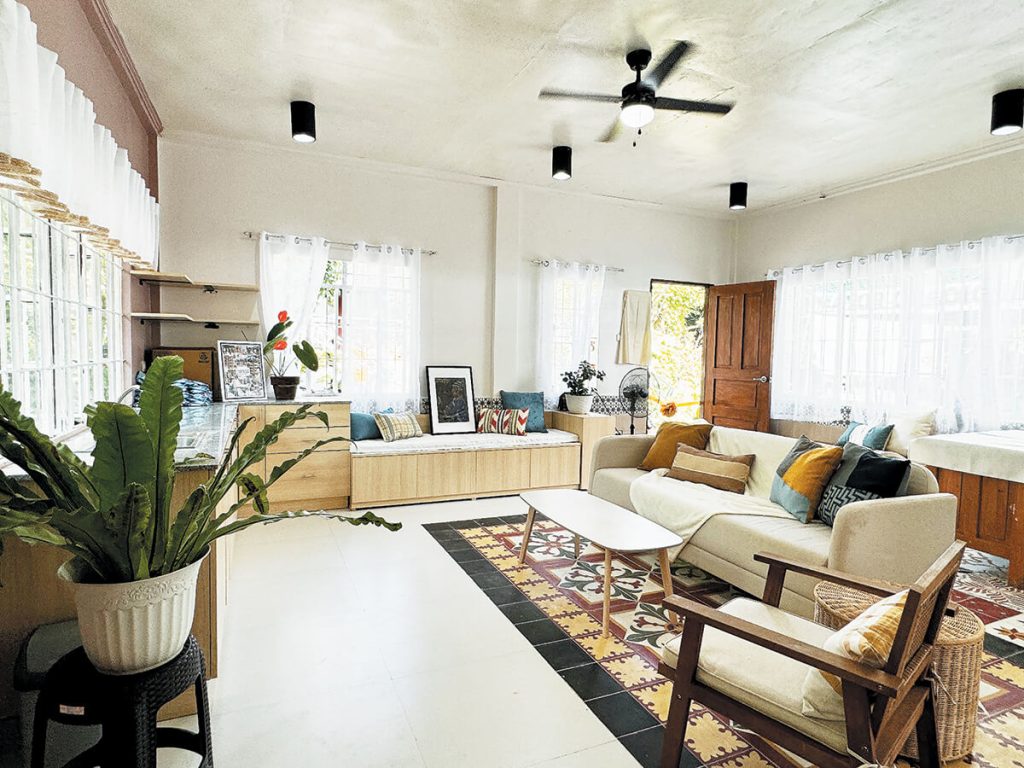
At De La Salle-College of Saint Benilde, this philosophy is central. The institution emphasizes the equal application of theoretical foundations and hands-on practice as the foundation of the pedagogical approach, allowing students to gain a holistic understanding of interior design. Through studio-based learning, research-driven design processes, and real-world applications, students gain a holistic understanding of interior design—translating concepts into buildable and socially responsive design solutions.
In the Philippines, interior design has long been associated with prestige and affluence, shaped by decades of high-end residential and commercial development in Metro Manila. Benilde challenges this narrative. Through INTDXHI (Interior Design Exhibit), the program’s capstone project, and its strong service-learning initiatives, the institution demonstrates that interior design is not a privilege—it is a vital service that can uplift communities and improve quality of life across all social sectors.
The Interior Design program’s capstone projects have reached both urban and rural communities nationwide. These partnerships treat communities not merely as training grounds but as co-creators. Together, students and community members transform shared spaces that tell authentic stories of people and place.
Projects have included the renovation of day care centers, HIV testing and counseling facilities, public school environments—such as schools for the blind and deaf—special education classrooms, orphanage for residents with special needs, school clinics, senior citizen lounge for IP community, military facilities, rural health units, and the ongoing development of a transformation center for children in conflict with law.
Through these initiatives, students engage in real dialogue with the community partners. They listen, observe, and reflect—gaining a deeper understanding of the community’s plight, social realities, and the tangible way interior design can help address them.
For students, this experiential learning—grounded in strong theoretical foundations—cultivates professional ethics, social awareness, and civic responsibility. They learn to apply critical thinking, comply with safety and accessibility standards, and respond sensitively to social, economic, and environmental conditions. More than designing to standards, they design with empathy—creating human-centered design solutions rooted in compassion and respect.
Faculty members play a crucial role as mentors and facilitators, bridging academic curricula with community needs. Through professional expertise and rigorous practice, teaching extends beyond the classroom. Faculty design learning experiences that strengthen students’ roles in community development, interdisciplinary collaboration, and socially relevant research—reinforcing Benilde’s mission to form interior designers who are technically skilled, creative, and deeply committed to nation-building.
Interior Design is a professional practice that creates magic.
The magic of impact—from the side streets of Design + Arts Campus to the most remote rural communities in the north—doing ordinary things, extraordinary well.
The magic of collaboration—across campuses, disciplines, and communities – united by a shared advocacy.
And the magic of commitment: designing spaces for social equity, fostering a culture of learning, and creating transformative, meaningful environments with the community.
This is interior design, the Benildean way. A decade of magical service to the community.
#PropertyReportFeature
#FeaturedStory
