

March is Fire Prevention Month in the Philippines, a tradition observed since 1966. It also marks the start of the long summer season, when rising temperatures and heavier energy demand heighten risks for communities. These realities remind us that safety and resilience must be built into the very fabric of our cities.
We often think of fire prevention as a matter of drills, extinguishers, and alarms. Yet the bigger picture shows us that prevention begins long before a flame appears. It starts with the way our cities are planned, the way our homes are built, and the way our communities prepare for the unexpected.
History offers us sobering lessons. Great fires have reshaped entire cities, from Rome in antiquity to Manila in the post-war years. Each tragedy forced societies to rethink how they design their spaces. The message throughout centuries is clear: architecture and urban planning are not just about beauty or convenience, but rather, they are about survival.
Today, rapid urban growth makes the challenge more urgent. Densely packed neighborhoods, aging electrical systems, and informal settlements create conditions where a single spark can spread quickly. Fire prevention, therefore, is not only about response but about foresight.
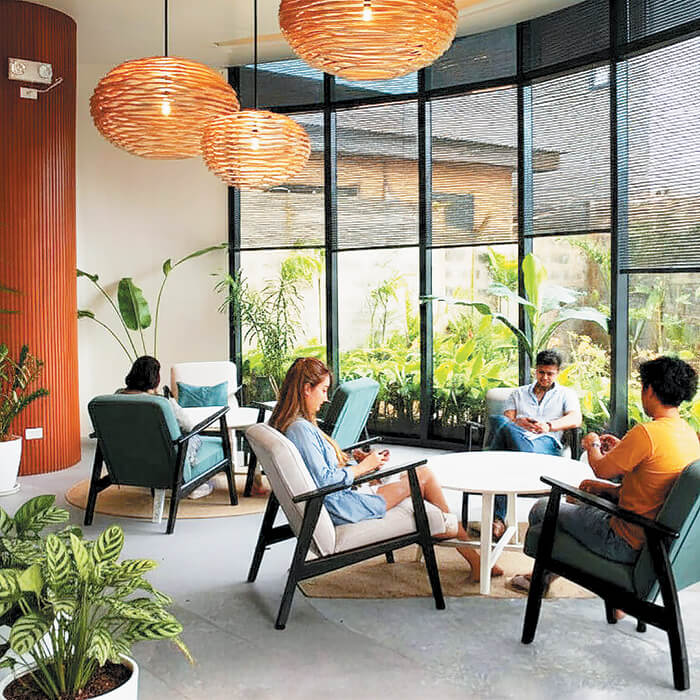
Architecture plays a quiet but decisive role in this foresight. The way a building breathes, the materials it uses, and the circulation of light and air all contribute to safety. A well-designed structure reduces reliance on appliances that overheat, minimizes tangled wiring, and provides escape routes that save lives.
Sustainability and safety are deeply connected. A building that harnesses natural ventilation and daylight reduces electrical load, lowering the risk of fire. Communities designed with open spaces and accessible roads ensure that responders can act swiftly when needed. Green design, in this sense, is also safe design.
This is why architects must think beyond aesthetics. I have always believed that fire prevention should not be an afterthought but a principle embedded in every line drawn on the blueprint. Codes and standards matter, but the deeper responsibility lies in shaping environments that anticipate risk and protect life.
In the Philippines, Fire Prevention Month is more than a campaign. It is a civic ritual. Barangays conduct drills, schools teach awareness, and families check their homes. Architecture must align with this rhythm, creating spaces that encourage preparedness rather than complacency.
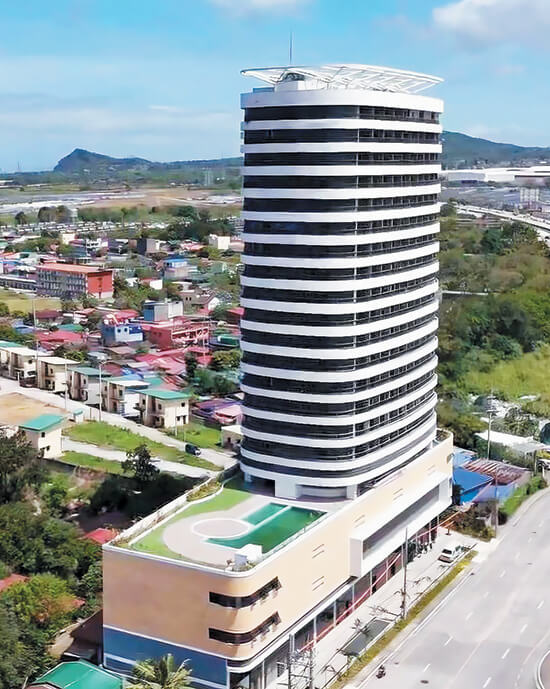
Italpinas Development Corporation (IDC) has embraced this integration of sustainability and safety. In our projects like Primavera Residences in Cagayan de Oro City and Miramonti Green Residences in Batangas, design choices—such as passive cooling, natural lighting, and strategic building orientation—reduce fire risks while promoting eco-efficiency. These features show how prevention can be embedded in everyday living. Italpinas’ work is part of a larger movement that sees buildings as guardians of life, not just shelters. With this, fire prevention becomes a natural extension of sustainable design.
As Fire Prevention Month unfolds, we are invited to see architecture as a partner in vigilance. Every wall, window, and corridor carries meaning. They are not only markers of style but instruments of safety. In this way, prevention is not only about fighting flames but about designing futures.
Architecture, when guided by foresight and responsibility, ensures that the flame remains a servant, never a master. That is the enduring lesson of Fire Prevention Month.
#PropertyReportFeature
#FeaturedStory
