

This is not woo-woo.
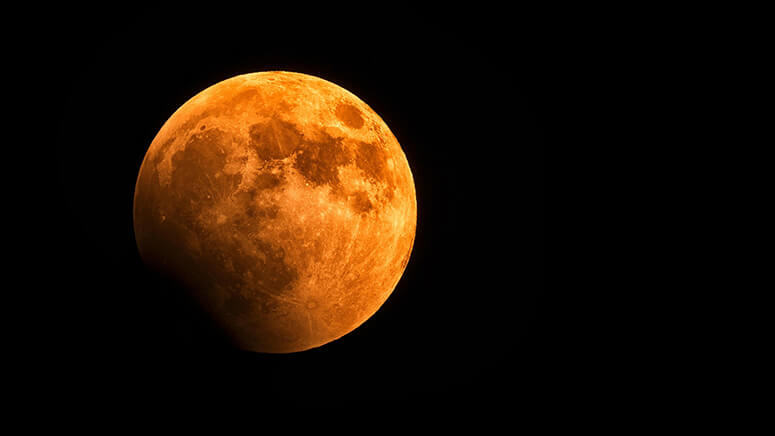
On March 3, much of the world looked up to witness a total lunar eclipse, often called a “blood moon.” In the Philippines, we caught it in varying degrees depending on cloud cover and vantage point. Social media was awash with reflections: disrupted sleep, heightened emotions, an urge to reset.
A lunar eclipse happens when the Earth passes directly between the sun and the moon. The reddish hue comes from sunlight scattering through Earth’s atmosphere (shorter blue wavelengths are filtered out, leaving longer red tones to illuminate the moon). It is celestial physics, not mysticism.
But can it affect us?
Indirectly, perhaps. The moon has long been associated with sleep patterns, and while studies are mixed, some research suggests that during a full moon, people may experience slightly reduced deep sleep and longer time to fall asleep.
The mechanism isn’t gravitational drama; it’s more likely about light exposure and our circadian rhythms. Before blackout curtains and climate-controlled rooms, a brighter night sky meant more ambient light, enough to subtly shift melatonin production.
So if you felt restless around the eclipse, you’re not irrational. You’re biological.
The truth about rock salt
No, it doesn’t “suck out bad vibes.” But it does something equally practical: it changes the physical environment.
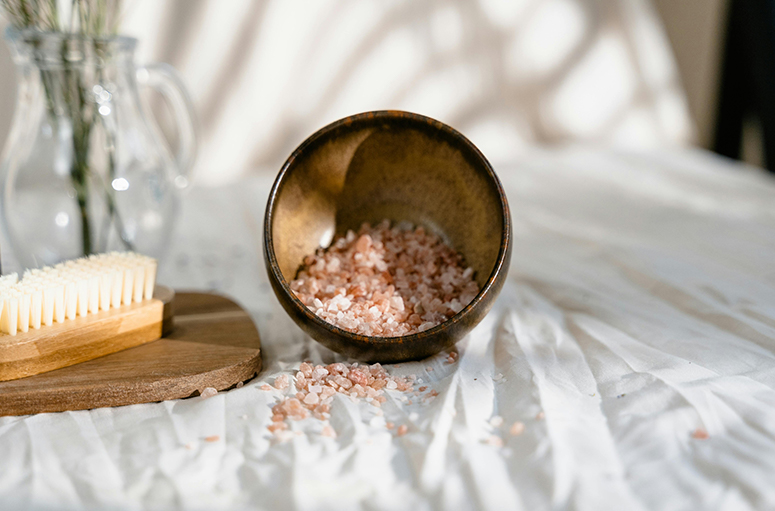
Rock salt is hygroscopic: it attracts moisture from the air.
In enclosed spaces, especially in our humid tropical climate, excess moisture can encourage mold growth and degrade air quality. Bowls of rock salt or salt lamps won’t replace proper ventilation, but they can help reduce dampness in small areas like closets or bathrooms.
More importantly, salt has been used across cultures as a symbol of purification.
When you place a small dish of rock salt by your doorway or bedside, what you are really doing is setting an intention: this space matters. And intention influences behavior.
When we treat our homes as sacred — not in a religious sense, but in a health-centered one — we clean them more regularly, declutter more mindfully, and design them more consciously.
Space is sacred to health
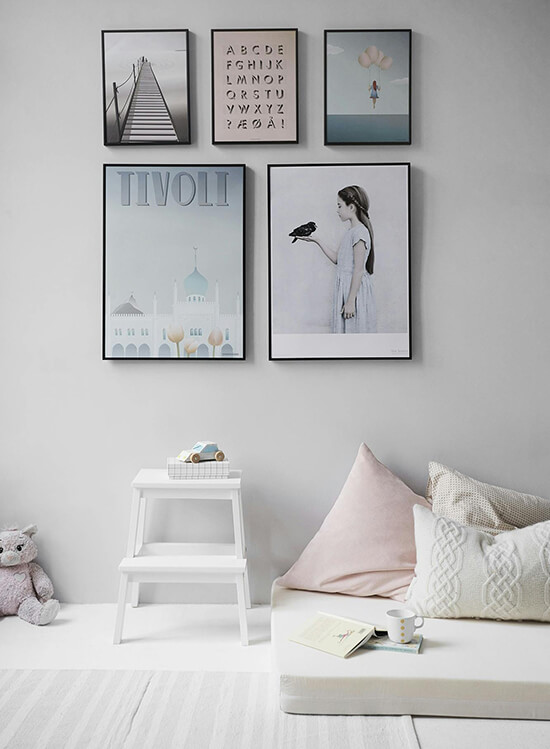
Our nervous systems respond to space. Cluttered rooms can increase cortisol levels. Poor ventilation can disrupt sleep. Artificial light at night suppresses melatonin.
Conversely, well-designed bedrooms — cool, dark, quiet — support deeper rest. Natural materials, gentle lighting, and breathable layouts tell the body: you are safe here.
An eclipse is a reminder of alignment; of bodies moving into precise positions in space. Our homes deserve that same alignment. Is your bed positioned for airflow? Does your lighting dim toward evening? Is there a small ritual — watering plants, wiping surfaces, replacing the rock salt — that signals closure to the day?
We do not need superstition to justify care. Science already tells us that environment shapes well-being.
Whether you watched the March 3 blood moon or slept through it, take this week as a cue.
Reset your room. Open the windows. Let the light in by day and keep it low by night. Replace the salt if you use it. Not because the moon demands it, but because your body does.
Good spaces, after all, create good vibes not through superstition but through mindful design.
#PropertyPR
#MediaRelease
