

I have been living solo for a while now, and people sometimes assume that must mean loneliness. The truth is, I hardly feel lonely at all. What I feel, more often than not, is peace.
There is something quietly grounding about coming home to a space that reflects only your rhythms. The light falls where it always does in the afternoon. The chair sits exactly where you left it. The silence is not empty; it is restful.
Living this way has made me think more deeply about what makes a home feel loving.
Because a loving home, I’ve realized, is not about square footage, design trends, or how photogenic it looks online. It’s about how it makes the people inside it feel.
Research tells us that supportive environments reduce stress, improve communication, and foster a sense of safety and belonging. But even without studies, most of us already know this instinctively.
When a home feels chaotic or neglected, tension creeps in. When it feels cared for, something in us softens.
And that care can take different forms, depending on how — and with whom — you live.
If you live solo: Love made visible

Living alone offers a rare freedom: the chance to shape a space entirely around your needs and personality. And yet, many people delay caring for their space, telling themselves they’ll fix things up later, when life is less busy or finances are more comfortable.
But there is something powerful about caring for your space now, even in small ways. Making the bed. Clearing a surface. Keeping one corner calm. These are quiet signals to yourself that your comfort matters.
A few practical things that help:
- · Create one place that feels like a reset.
It could be a chair by the window, a bedside table, or a small desk kept intentionally uncluttered. Having one calm visual anchor can steady the mind on difficult days.
- · Mark the end of the workday.
Especially if you work from home, create a simple ritual that separates work from rest, like closing the laptop, putting away papers, or even dimming the lights.
Boundaries don’t have to be dramatic to be effective.
If you live with a partner: space as shared care
A shared home is more than a physical arrangement; it’s an extension of the relationship itself. The way responsibilities are handled, the way clutter is addressed, even the way shared spaces are used often mirror how a couple communicates.
Perfect balance isn’t the goal. What matters more is fairness, clarity, and the willingness to adjust as life changes.
A couple of practical ways to make shared spaces work better:
- · Agree on simple systems.
Decide together where everyday items belong and what “tidy enough” means. Clear expectations prevent small irritations from becoming recurring conversations.
- · Give each other room to be individuals.
Even in small homes, it helps if each person has a corner that reflects their interests, like a shelf, a chair, a workspace. Individuality doesn’t weaken a relationship; it strengthens it.
If you live with family: Care across generations
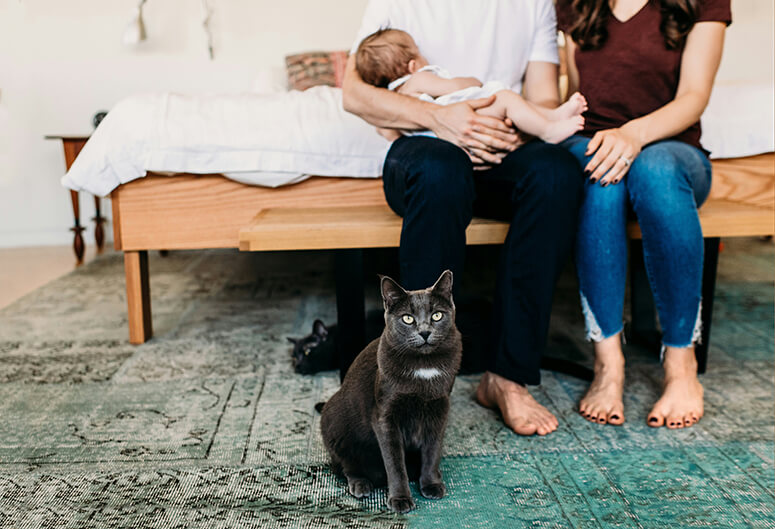
Family homes are living, breathing places. They are rarely quiet and almost never static. Needs change, routines shift, and spaces must adapt.
Children benefit from environments where routines are visible and belongings are easy to reach and put away. Older family members, meanwhile, need comfort and accessibility: clear pathways, good lighting, and furniture that supports rather than strains the body.
A few practical ideas that make family homes feel calmer:
- · Organize for real life, not for appearances.
Pay attention to how people actually move through the house. Keep frequently used items within reach and remove obstacles in busy areas. Function reduces daily stress more than aesthetics ever will.
- · Build small shared rituals.
A quick evening tidy-up, a regular meal together, or even a weekly reset of one room can create rhythms that hold a household together. Rituals don’t need to be elaborate to be meaningful.
What loving homes have in common
Whether you live alone, with a partner, or with family, the homes that feel most nurturing tend to share the same quiet qualities: clarity, comfort, and care. They are not perfect, but they are intentional. They make it easy to move, to rest, and to breathe.
If there’s one thing living solo has taught me, it’s this: care is cumulative.
Small acts — a cleared table, a made bed, a chair pulled closer to the light, washed dishes — add up. Over time, they shape not just our spaces, but our state of mind.
#PropertyReportFeature
#FeaturedStory
