

Design is about emotion—crafting spaces that mirror how we live and feel. In the Philippines, sans four seasons, our design sense draws on shifting climates, traditions, and celebrations. This imbues Design for Joy with a personal dimension (Flores, 2014). During Christmas, interiors become expressions of time and memory, deepening our experience of joy.
In many Filipino homes, decorating for Christmas is more than an act of beautification—it is a process of remembering. The sparkling parol, the carefully arranged belen, the warm glow of capiz lanterns, and even the familiar aroma of holiday dishes revive the atmosphere of childhood celebrations and long-held family traditions. These elements transform a simple interior into a meaningful place, woven with layers of memory and cultural continuity.
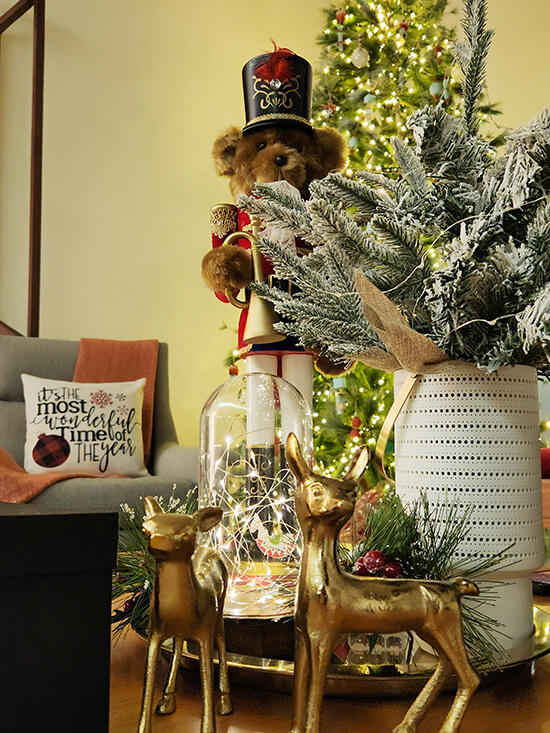
Interior designers understand that they shape more than functional spaces; they create environments filled with experiences and meaning. What begins as an empty room becomes, through thoughtful design, a place where people can live well and feel deeply. Yi-Fu Tuan (1977) explains that experience arises from sensation, perception, and conception, blending emotion and thought as individuals construct their reality. He further notes that the relationship between time and place is intricate: time moves like a flowing current, while place becomes a pause in that flow. Attachment to place grows through lived experience—captured in the idea that “it takes time to know a place”—and ultimately, place becomes “time made visible,” a memorial to moments long past.
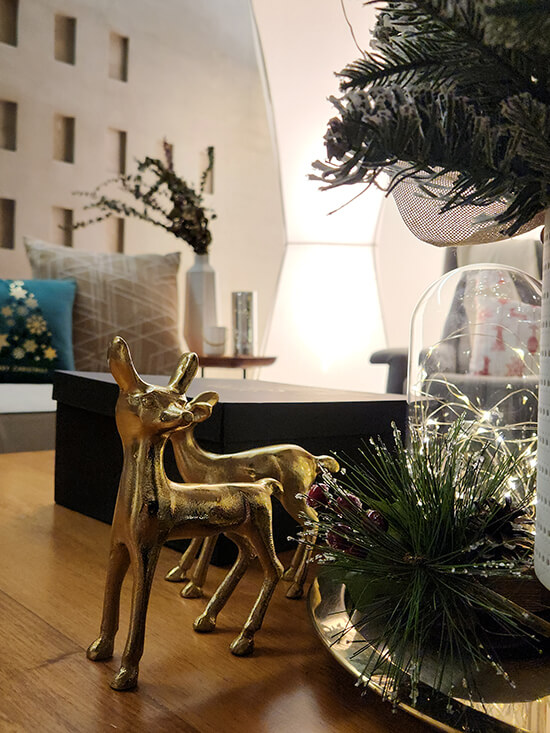
When applied to Christmas design, Tuan’s insights reveal why holiday interiors evoke such powerful emotions. The home becomes a pause in the flow of time—a moment where memories resurface and take shape through color, light, texture, and ritual. Each decoration becomes a marker of lived experience, reminding us of the joy, warmth, and togetherness that shaped previous seasons.
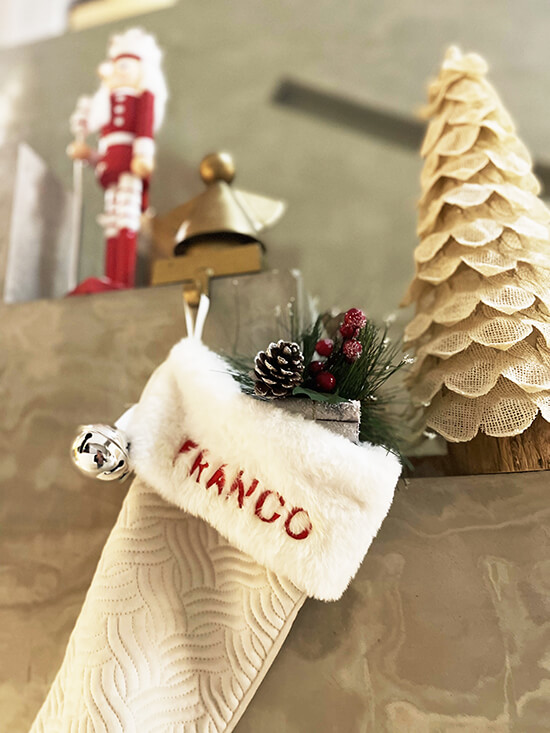
In the Filipino context, Christmas is not merely a holiday but a cultural rhythm. The Ber months evoke anticipation, nostalgia, and a deep emotional attachment to family and home. Designing our spaces for the season becomes an act of honoring both tradition and memory. Through familiar symbols, colors, and rituals, we reconstruct the places of our past while creating new moments for the present.
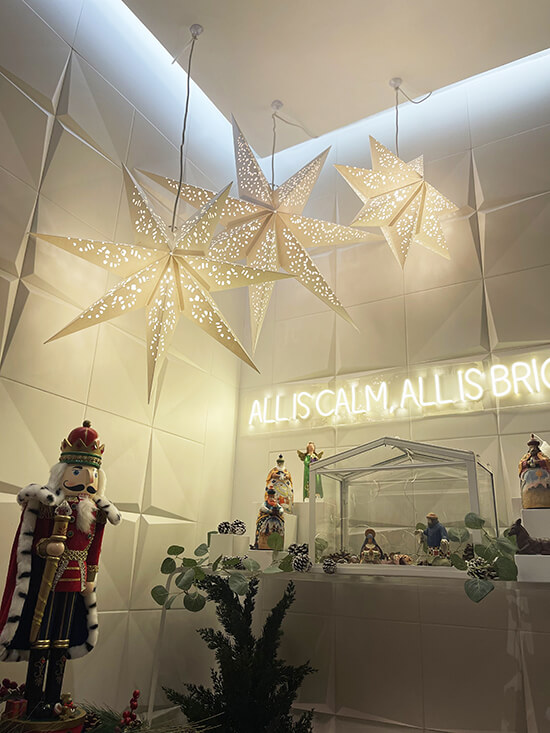
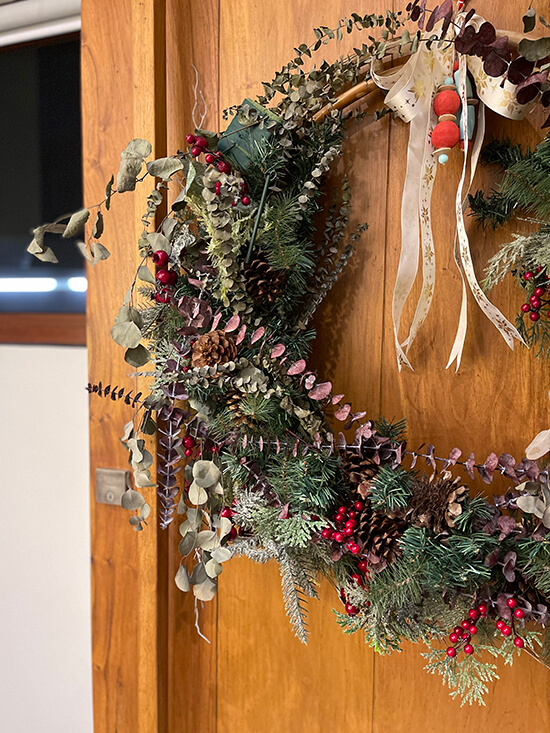
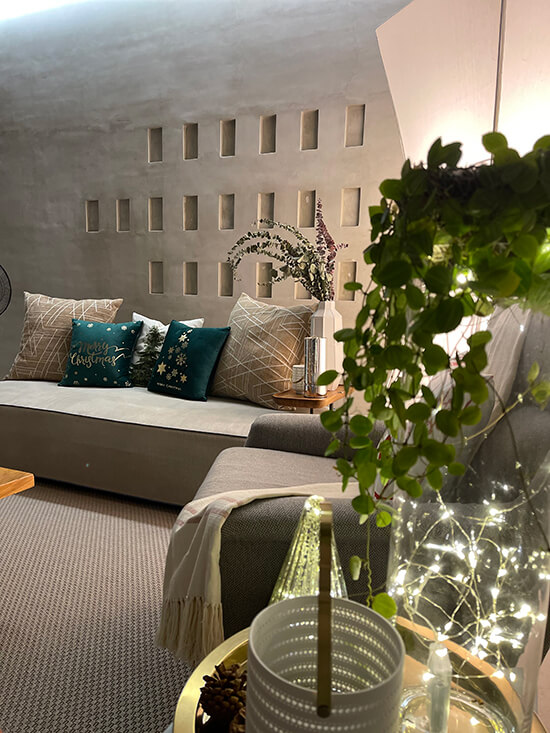
Design for Joy is about understanding the emotional landscape of our own seasons—those shaped by weather, tradition, and memory. When our interiors shift with these rhythms, they become more than styled arrangements; they become living reflections of who we are as Filipinos: joyful, resilient, and deeply connected to our families, our past, and the places we call home.
* * * * *
About the Author
Katherine Anne G. Correa is the principal designer of Katarina Homes and the current program chairperson of the Interior Design Program at De La Salle-College of Saint Benilde (DLS-CSB) School of Environment and Design (SED). She plays an active role as the Board of Director for Events at the Philippine Institute of Interior Designers.
Correa holds a Master’s degree in Architecture from the University of the Philippines College of Architecture. A passionate advocate for heritage conservation, her design philosophy is deeply influenced by Filipino culture, art, nature, and a profound respect for the past. She emphasizes the importance of materiality and the emotional resonance of spaces, believing that both architecture and interior design should be like poetry—capturing the heart and leaving a lasting impression for future generations. Her work reflects her dedication to infusing spaces with the spirit and memories tied to Filipino heritage, ensuring that each project honors tradition while creating meaningful, lasting environments.
