

For Filipino families, the local school, college, or university is far more than a place of learning; it is an anchor of the community, a source of pride, and the clearest path toward progress. In the Philippines, where the value of education is held as one of the highest cultural ideals, educational institutions play an irreplaceable role in building resilient and thriving communities.
Key to success
Education is often viewed as the single greatest inheritance, which is why schools are the primary mechanism that translates effort into economic opportunity.
• Skills and Employability: Universities, especially technical colleges and state institutions, directly supply the talent pool for local and national industries. They ensure that young professionals are equipped with the skills demanded by global markets, from IT and BPO to healthcare and engineering.
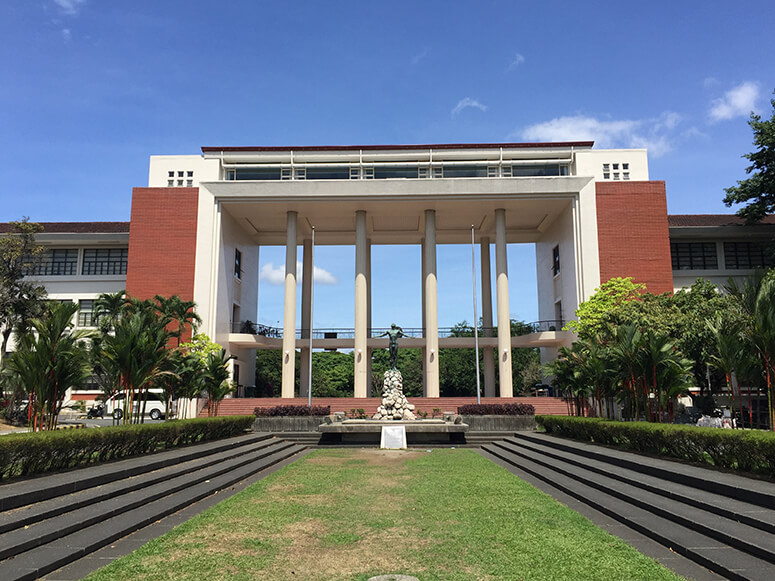
•Local Economic Ecosystem: A major university acts as an economic engine for its immediate surroundings. It drives demand for housing, retail, food services, and transport, creating hundreds of micro-enterprises that uplift the local economy.
• Brain Gain: Educational institutions help reverse the “brain drain” phenomenon. By offering high-quality, specialized courses, they incentivize talented young professionals to stay and contribute their expertise locally rather than seeking opportunities exclusively abroad.
The foundation of community safety and stability
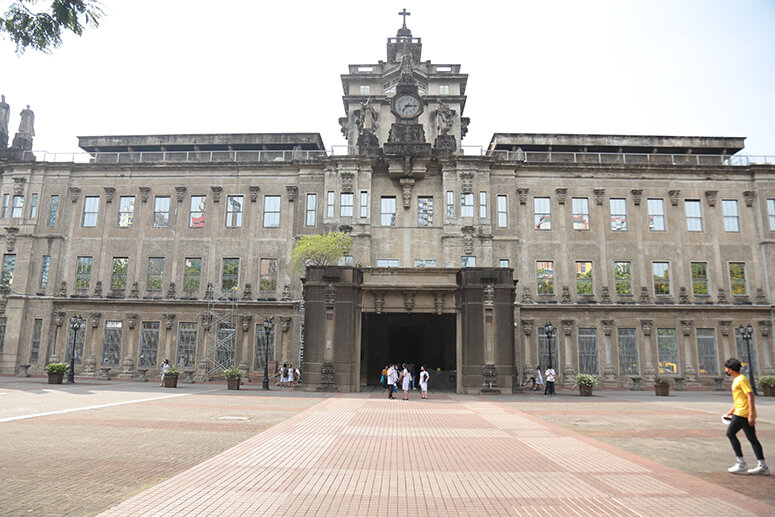
Good local schools contribute significantly to the safety, stability, and character of a neighborhood, making it particularly attractive for young Filipino families looking to settle down.
• Elevated Property Value: Proximity to reputable schools (from preparatory academies to colleges) is a guaranteed driver of property appreciation. Homes and residential areas near institutions are highly sought after, securing the investment for homeowners.
• Community Identity and Pride: The success of the local alma mater often becomes a source of collective pride. Alumni networks remain strong, often organizing community service projects, livelihood programs, and local disaster relief efforts, turning institutional loyalty into tangible communal support.
• Safe and Ordered Environment: Areas surrounding major universities often require better infrastructure, lighting, and security, benefiting all residents and not just the students. The presence of a stable student population also tends to normalize a safe, pedestrian-friendly environment.
Fostering cultural and social development
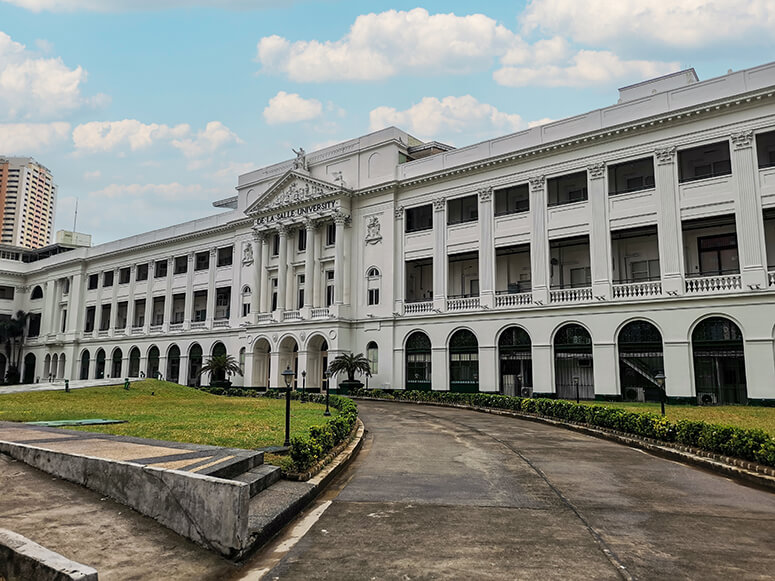
Education is the primary tool for fostering nationalism, critical thinking, and social awareness—qualities that are essential for a thriving society.
• Centers for Dialogue: Colleges and universities serve as neutral grounds for intellectual discussion, cultural exchange, and critical debate. They host political forums, art exhibits, and cultural festivals that enrich the intellectual landscape of the entire city or region.
• Cultivating Filipino Values: Education instills the core Filipino values of respect, hard work, and gratitude. By prioritizing ethical formation alongside academic rigor, institutions help mold socially conscious citizens.
• A Relatable Path for Professionals: For young Filipino professionals, the proximity of their university often defines their social sphere and networking opportunities. These institutions are where future business partners, colleagues, and lifelong friends are made, laying the groundwork for future collaborative success in their respective fields.
For Filipino families, the decision of where to live is intrinsically linked to the quality and accessibility of educational institutions. These schools are not just buildings with classrooms; they are the heart of the community, actively shaping economic opportunity, ensuring stability, and driving cultural pride. They are, in the truest sense, the foundational investments in the nation’s future.
#PropertyReportFeature
#FeaturedStory
