

The significance of open-space communities where movement and mobility are built into the very fabric of development has become more than just a lifestyle selling point in today’s fast-moving Philippine real-estate market. When a residential estate is designed for walking, cycling, gathering, and spontaneous activity, it becomes a place that not only fits into daily life, but also enhances it. For everyone, mobility in open-space communities is emerging as a driver of value, health, and long-term sustainability.
Designing for movement
Open spaces are more than gaps between buildings. They are vital community hubs that encourage daily movement and connection. Research from the University of the Philippines Center for Integrative and Development Studies underscores that accessible open areas, walkable neighborhoods, and efficient transport systems are key to community health. Studies on urban green spaces also show that well-designed environments with pedestrian paths, bike lanes, and communal parks support both physical well-being and mental wellness.
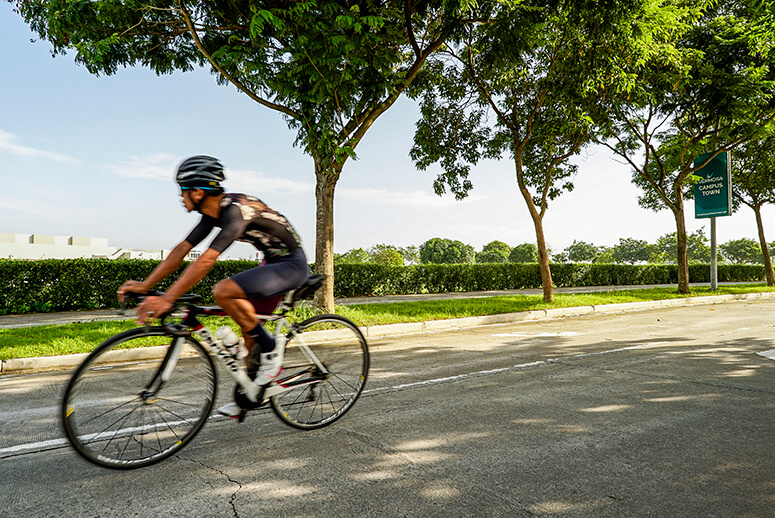
Mobility as a community value
Mobility adds social and economic value to a community. Studies in the country show that well-connected streets, safe public spaces, and accessible routes encourage walking and cycling, making daily life more convenient and enjoyable. Beyond livability, mobility also enhances real estate potential. Developments that integrate open spaces and walkable environments tend to support local businesses and tourism. Although local data on property value premiums are still limited, global research consistently links walkable, green communities with higher market appeal and stronger property values.
Creating open-space neighborhoods
Urban planning in the Philippines is increasingly prioritizing mobility and open spaces as essential elements of development. Government and civic initiatives reflect a growing commitment to active, people-centered environments. In response, developers are creating communities with walkable layouts, green corridors, and outdoor spaces that align with a lifestyle where movement and well-being go hand in hand.
Building for experience, choosing for well-being
Planning and creating mobility-friendly communities is both a lifestyle and a value investment. For developers, open spaces that encourage walking, cycling, and social interaction create lasting appeal and stronger community ties. For residents, these environments promote health, convenience, and connection. Real estate professionals, in turn, can highlight mobility-focused amenities as key differentiators, since research continues to show that well-designed, walkable neighborhoods lead to healthier, more vibrant communities.
Mobility as a way of living, not just transit
In thoughtfully designed communities, mobility goes beyond commuting. It becomes a daily rhythm that shapes how people live and connect. This approach builds neighborhoods that foster health, vibrancy, and long-term value for Philippine real estate. Ultimately, movement is not just functional but crucial. It’s the heartbeat of communities that thrive through motion and connection.
#PropertyReportFeature
#FeaturedStory
