

In Al Qarafa in Cairo, Egypt, about a million people live inside a cemetery that has existed since the 7th century. It is so vast that it has its own police station, post office, and electricity. A unique cultural destination and a repository of Islamic architecture and heritage, it is now a UNESCO World Heritage Site. They call it the City of the Dead.
Jim Morrison
In Paris, at the Père Lachaise Cemetery, many notable artists, writers, and musicians are buried — making it the most visited necropolis in the world, especially among fans and art enthusiasts. One of the most popular and heavily vandalized graves is that of rock icon-poet Jim Morrison of The Doors. His tomb has been defaced and covered in graffiti, affecting nearby tombs. A bust in his honor was eventually stolen. There have been incidents of unruly behavior, including a riot among rock fans, forcing authorities to encase the grave in a metal fence and install surveillance cameras. As the band’s keyboardist, Ray Manzarek, said, “The energy of Jim Morrison is still with us, in the ether.”
La Loma
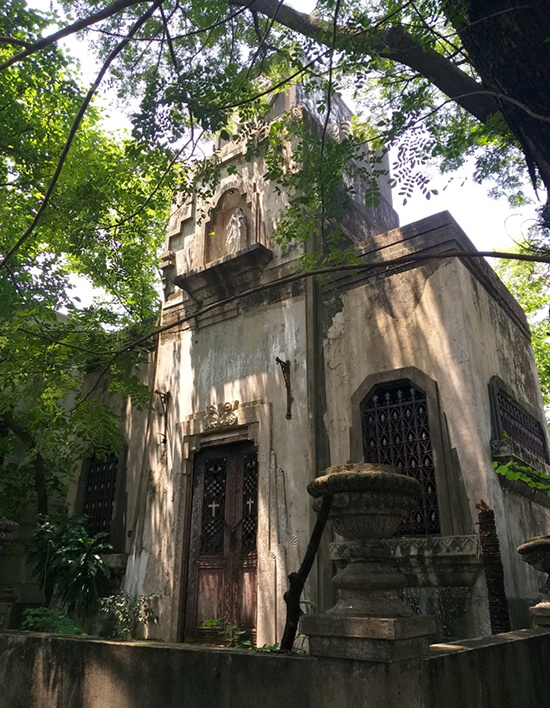
That energy in the ether is eerily felt in some cemeteries, especially in La Loma. Having escaped destruction during the Battle for Manila in WWII, La Loma has many tombs and mausoleums preserved as heritage architecture, including art deco designs. Uncut grass, dried leaves, mossy walls, and thick foliage make some mausoleums look like a set straight from a horror movie.
Built in 1884, La Loma is largely located in Caloocan, with some portions in Manila. It is a Catholic cemetery under the Diocese of Kalookan and Archdiocese of Manila. Many religious orders such as the Benedictines and Recollects have their final resting place there. Other notable burials include Felipe and Marcela Agoncillo, General Crame, Librada Avelino, Vicente Lava, and Cayetano Arellano. On another visit, we saw the burial site of Isabelo Tampinco.
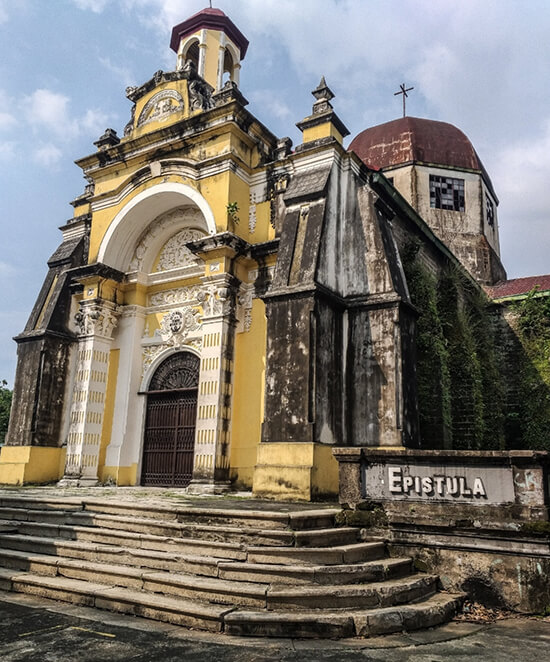
One of its iconic structures is the “Lumang Simbahan,” originally a mortuary chapel. During the Philippine-American War, it became the focal point of the Battle of Caloocan. It was partly restored by Escuela Taller. Before the restoration, it was dubbed one of the scariest places in Manila.
Manila Chinese Cemetery
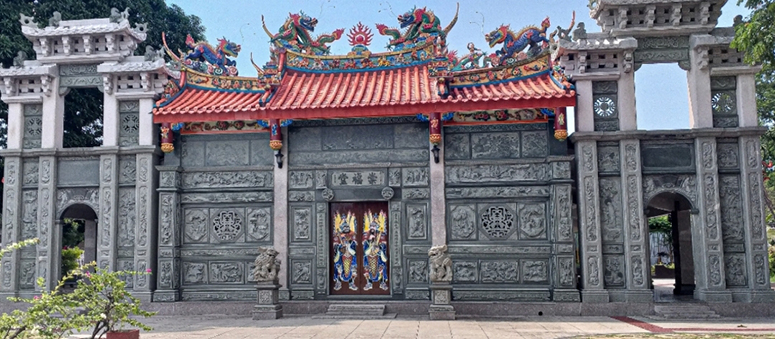
A short ride from La Loma is the Manila Chinese Cemetery which, fittingly, sits right behind the Chinese General Hospital. Established in 1843, this cemetery includes Christian, Buddhist, and Taoist burials. Prominently located is the Chong Hock Tong Temple, built in 1878. It was demolished in 2015 and replaced with a new structure. The altar is an example of religious syncretism, with figures and deities from Christianity, Buddhism, and Taoism. To the left is the Liat See Tong Martyrs Hall, which commemorates ten Chinese community leaders executed by the Japanese. Right behind it is the Ruby Tower Memorial, dedicated to the 260 individuals who perished during the 1968 earthquake.
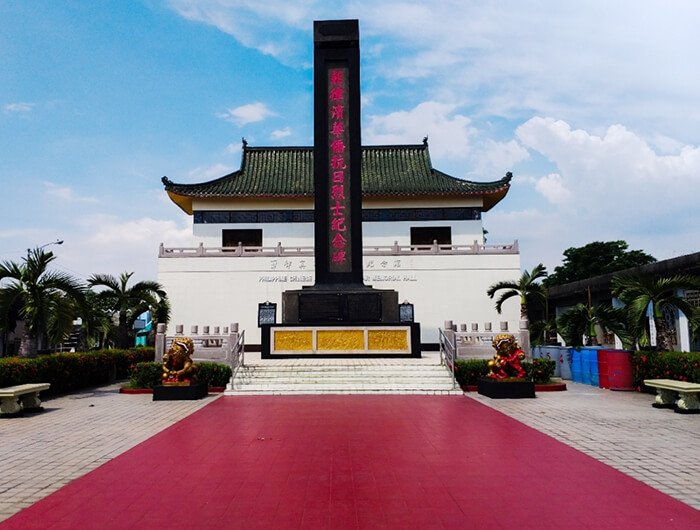
Another war memorial is the Chinese Anti-Japanese War Memorial Complex, which highlights the exploits of the Wha-Chi guerillas. Off the main road is the memorial of Dr. Yang Kuang Sheng, former Consul General of the Republic of China, who — together with his staff — refused to leave his post and was eventually massacred. Other interesting burial sites include those of Ma Mon Luk with his two wives, and the original burial site of Apolinario Mabini with Masonic symbols.
North Cemetery
A short walk from the Chinese Cemetery is the Manila North Cemetery — the most crowded and the most diverse in terms of tomb design and the profile of the deceased. Once called Paang Bundok, it used to be part of La Loma until the latter became exclusively Catholic. Jose Rizal wanted to be buried there.
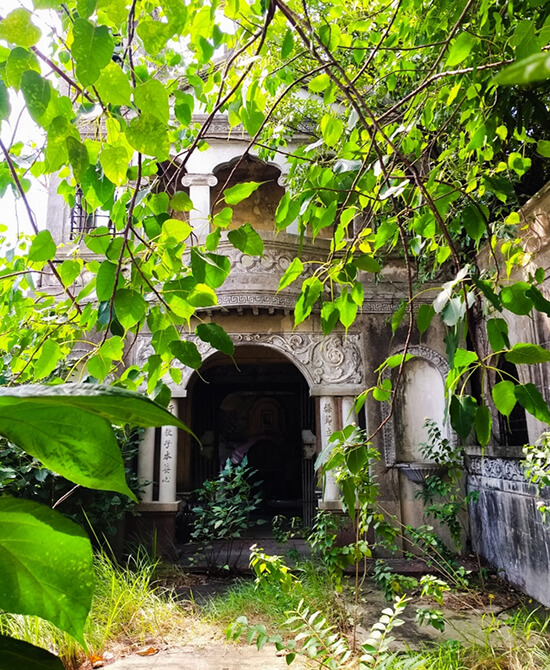
The North Cemetery is owned by the City of Manila. Past mayors Arsenio Lacson, Antonio Villegas, and Alfredo Lim are buried there, along with past presidents Sergio Osmeña, Manuel Roxas, and Ramon Magsaysay.
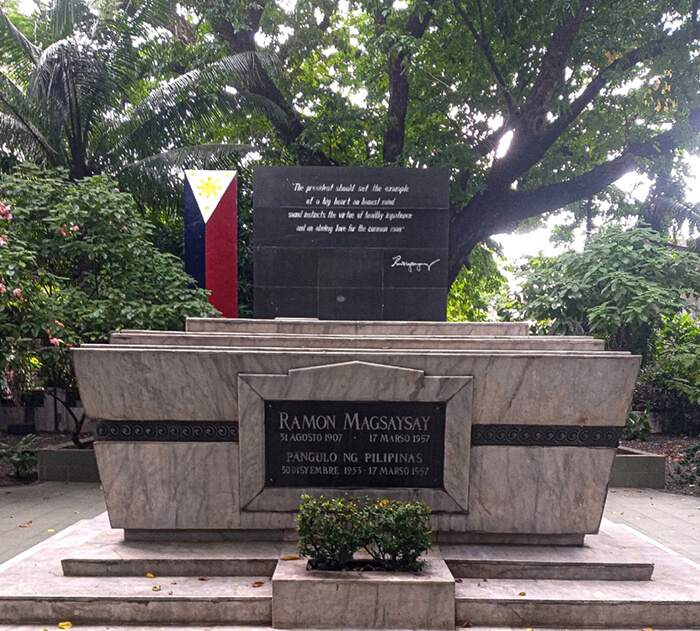
Former Governor-General Francis Burton Harrison, who was granted Philippine citizenship, willed to be buried in the Philippines. Distinguished statesman Claro M. Recto is also interred there. Almost across is the grave of Tondo kingpin Asiong Salonga. Numerous actors and comedians found their resting place in the North Cemetery, with Fernando Poe Jr. still the most visited. Almost forgotten was the tomb of legendary boxer Pancho Villa — now restored.
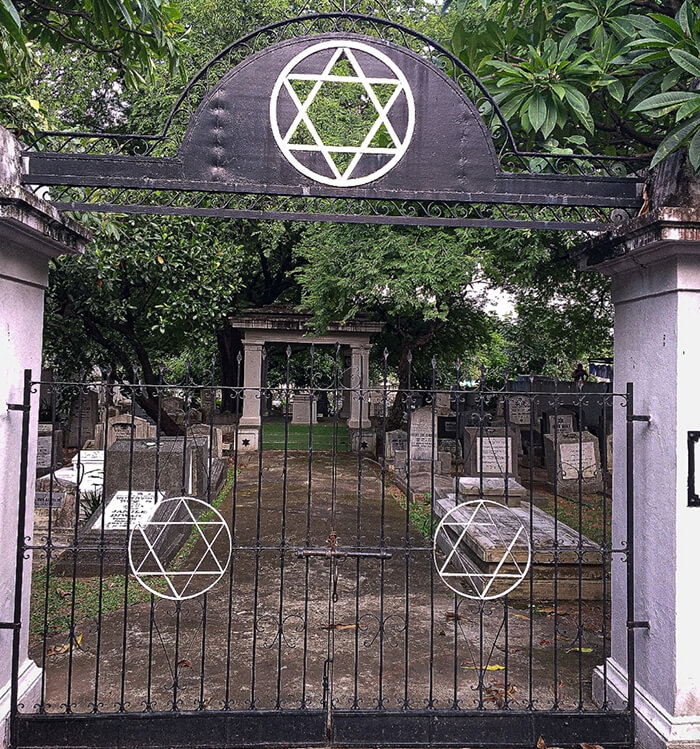
What makes the North Cemetery distinctive are the many memorials and group burial grounds for the Thomasites, Freemasons, military, police, and Boy Scouts. A beautiful art deco memorial is dedicated to Filipino revolutionaries of the Philippine Revolution and the Philippine-American War. Slightly hidden and fenced is the Jewish Cemetery. There are mausoleums of prominent families like the Bautista-Nakpil Pylon and the Egyptian-inspired Tuason-Legarda Family Mausoleum.
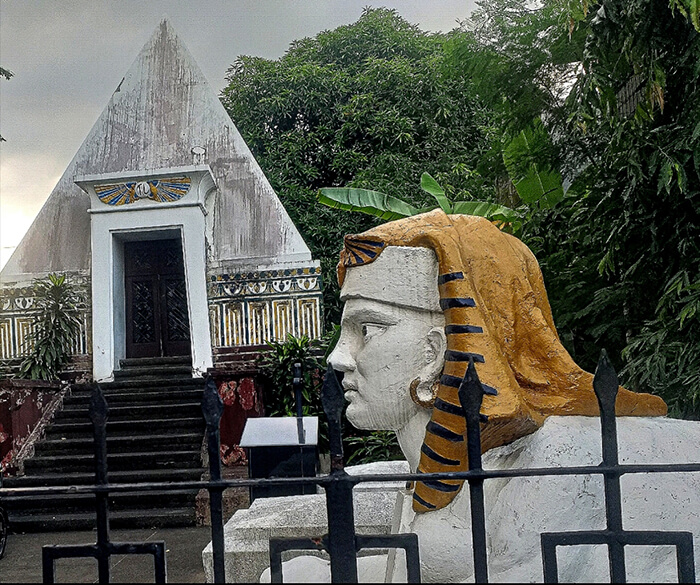
The North Cemetery is unlike any other. It is the final repose for many Filipinos — from the richest and most powerful to the poorest and the powerless. Former presidents lie side by side with unmarked graves, including victims of extrajudicial killings. During the Second World War, at least 2,000 were executed here. Today, there are over a million buried dead — and more than 7,000 “undead”: caretakers and informal settlers living on the grounds. They clean the graves and sell flowers to make ends meet. Sari-sari stores are scattered everywhere, and a basketball court greets you at the entrance.
Sauntering Through Sacred Grounds
Tombspotting is a taphophile’s creed. It is hushed, almost meditative. History buffs dig up stories. Aesthetes admire the patina of time. For most of us, it is respect for the departed — and a reminder of our mortality. On one gravestone, I saw the Latin phrase Memento Mori, which means “Remember you must die.” It reminds us to be humble and live a meaningful life by accepting that death is inevitable.
George Ordoña is a seasoned traveler who has visited 70 out of 82 provinces in the Philippines. He is an accredited DOT tour guide. Aside from regular tours, he also organizes heritage walking tours and food crawls in Quiapo and Pampanga. As a mountaineer and scuba diver, he is at home doing adventure travel. He can be contacted via 0960-697-5930 or email at [email protected].
#PropertyReportFeature
#FeaturedStory
