

As cities grow smarter, the real measure of progress lies in how design helps us live well within our planet’s limits.
Let’s talk about how smart design is changing the way we live—starting right inside the buildings where we spend most of our time. Imagine walking into an office in Oslo, Norway, where natural light fills the space, the air is fresh thanks to advanced filtration, and the materials are chosen for their low impact on the planet. Workstations are comfortable, acoustics are balanced, and the indoor temperature adjusts automatically to outdoor conditions. The result is a workspace that feels effortless, one that keeps people focused and healthy while consuming less energy. Oslo is a global leader in sustainable smart cities, pioneering electric mobility, renewable energy, and smart waste management systems that keep the city clean and green. Here, technology quietly supports wellbeing, proving that sustainability is most powerful when it is seamless.
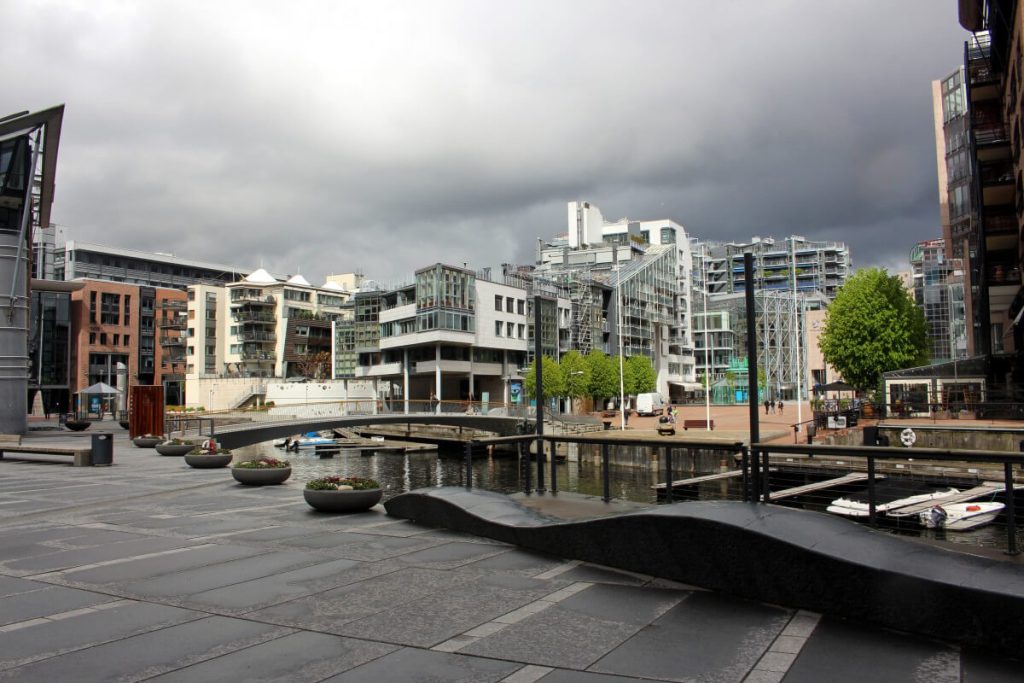
But smart design isn’t just about what happens inside four walls. Sustainability is something you feel in the quality of each breath, the comfort of a chair near a window, or the ease of resting at night. It’s not an abstract policy—it’s experienced in the details of daily life. When buildings are poorly designed, we notice stuffy offices leave us sluggish, noisy schools make it hard to concentrate, and overheated apartments drive up energy bills. By contrast, sustainable design turns these everyday details into quiet forms of care, showing that environmental responsibility and human comfort go hand in hand.
Now, what happens when buildings go beyond their own walls? In Amsterdam, smart buildings generate surplus solar energy and share it with nearby hospitals or transit systems, helping the whole neighborhood become more resilient. Amsterdam’s commitment to renewable energy and innovative water management makes it a model for how smart design can safeguard entire communities. Every watt of electricity, every drop of water, every beam of data flows through larger networks. A residential tower that produces more solar energy than it consumes can support essential services when they’re needed most. Design decisions ripple outward, strengthening the resilience of the whole neighborhood. And as these systems multiply, a city becomes not just a cluster of efficient buildings, but a living network of exchange—where every structure contributes to the well- being of the next.
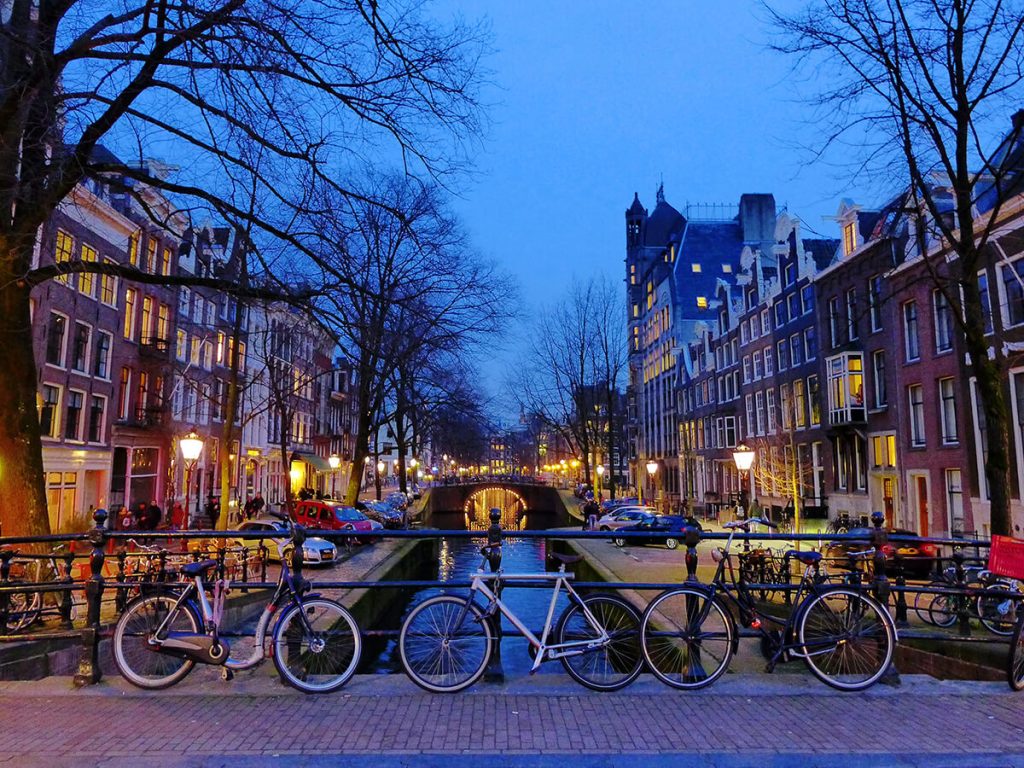
Let’s zoom out even further. Cities like Copenhagen are showing the world how smart buildings are the building blocks of smart cities. Copenhagen is famous for its bike-friendly infrastructure and green construction, but what makes it exceptional is its mindset: a belief that design must serve both people and the planet. Green roofs absorb heat and collect rainwater; public spaces are shaded and walkable, and entire districts operate on renewable energy. These cities connect smart buildings through smart grids, parks that double as stormwater gardens, and streets cooled by greenery, creating urban environments that are not only sustainable but also more livable and inclusive. When seen from above, the city becomes a single, interconnected organism, adapting gracefully to the pressures of climate and population.
But here’s a key point: smart design isn’t just about fancy technology or automation. It’s about balancing human needs with the limits of our planet. Cities like Stockholm and Vancouver are leading the way with ambitious carbon-neutral goals, green building codes, and renewable energy portfolios that benefit everyone—not just those in premium districts. Technology alone cannot make a city equitable. Advanced systems can’t be confined to high-end developments while public housing or schools lag behind. True sustainability means dignity and inclusion for all. It asks us to imagine progress not as competition, but as collaboration between people, disciplines, and generations.
So, as we look to the future, the big question is: will sustainability become so natural that we barely notice it, or will it always require conscious effort and creativity? Either way, one thing’s for sure, sustainability isn’t just a feature we add to buildings and cities. It’s the foundation of smart living itself. Sustainability is the thread connecting the room we work in, the block we live on, and the city we belong to. It transforms design from convenience into responsibility, from comfort into care. And perhaps that is the real promise of smart design: that through every thoughtful decision, we build not only better spaces, but a better way of living together.
#PropertyReportFeature
#FeaturedStory
