

From business districts to green estates, Ayala Land continues to shape sustainable, future-ready communities
Philippine cities are in constant motion, shaped by congestion, climate pressures, and changing lifestyles. For Ayala Land, these challenges are an opportunity to rethink how communities should grow. As the developer marks its 37th year, it is strengthening its role as a placemaker by transforming familiar urban spaces into more vibrant and livable environments.
Redefining city living
In Makati, the country’s premier financial hub, transformation is well underway. Projects like Dela Rosa Gardens in Legazpi Village and new zoning updates that allow taller, mixed-use developments point to a greener, more connected future.
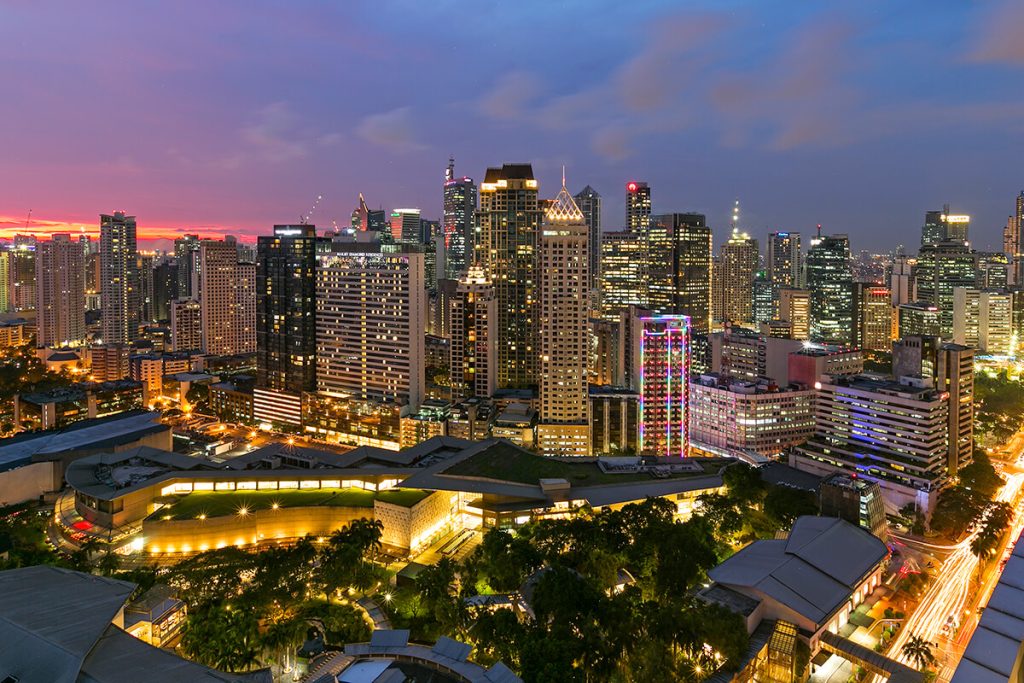
This vision is rooted in the global “15-minute city” concept, which Ayala Land has brought to life in Bonifacio Global City and Arca South, where daily life unfolds within reach—from homes and offices to schools, parks, and cultural destinations.
Premium residential offerings continue to evolve within this framework. Park Villas at Ayala Triangle Gardens introduces expansive city homes at one of Makati’s most coveted addresses, while Laurean Residences provides an urban sanctuary at the city’s core. Complementing these are mobility solutions like One Ayala, which integrates office, retail, and transport connections at Makati’s gateway, as well as commuter hubs in Nuvali and Vermosa that improve connectivity for the south.
Building with resilience in mind
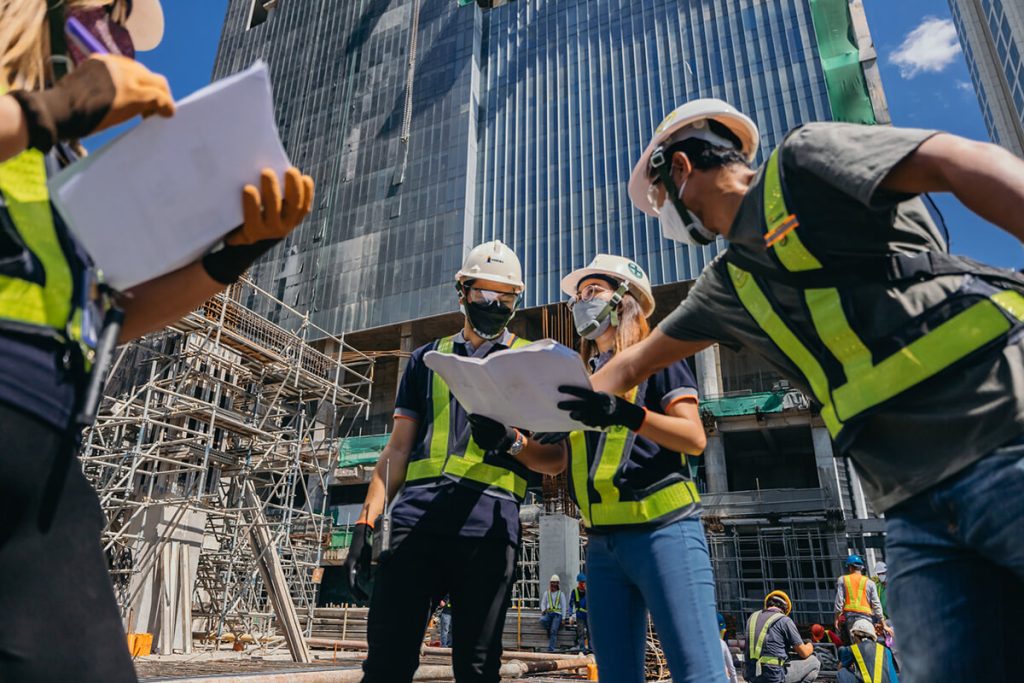
The company’s approach today goes beyond building more, as it becomes about building smarter.
Ayala Land is on a Net Zero 2050 pathway, a commitment already visible across its estates. Nuvali’s tree-lined boulevards and BGC’s pocket parks act as natural cooling systems in dense environments. In construction, the use of recycled steel and low-carbon cement demonstrates how circular economy practices are being integrated into large-scale projects.
Energy use has also been redefined. At present, 97 percent of Ayala Land’s commercial portfolio—covering malls, offices, and hotels—is powered by renewable energy. Over one million square meters of office space have likewise earned EDGE Zero Carbon certification, representing the country’s largest certified portfolio to date.
Reinventing everyday experiences
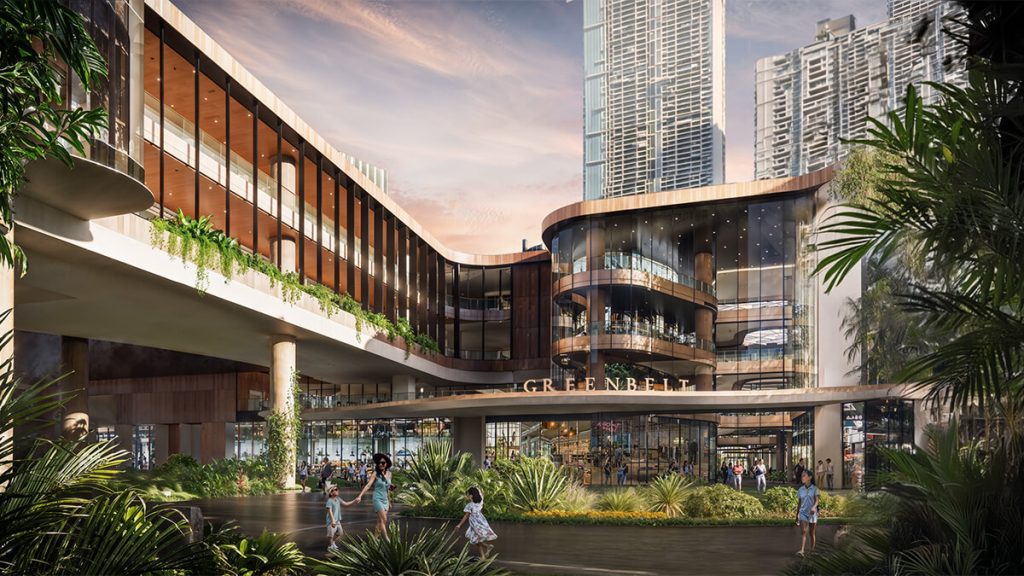
The company is also reimagining leisure and retail spaces. A ₱17.5-billion redevelopment of Greenbelt, Glorietta, TriNoma, and Ayala Center Cebu is set to position these properties as cultural and social hubs beyond their role as shopping destinations. Other Ayala Malls nationwide will follow in this wave of reinvention.

Hospitality is being strengthened with the same forward-looking mindset. With more than $500 million in investments, Ayala Land is expanding its hospitality portfolio through global brands such as Moxy by Marriott at Circuit Makati and Canopy by Hilton at One Ayala, alongside its growing Seda Hotels. In El Nido, eco-luxury resorts showcase how tourism can strike a balance between comfort and care for the environment.
A legacy that continues to evolve
From pioneering the country’s first central business district to shaping integrated, mixed-use estates, Ayala Land has played a defining role in the country’s urban story.
At 37 years, it now faces a challenge shared by cities worldwide: how to grow responsibly while ensuring livable, human-centered spaces. Its response has been both bold and deliberate, reenergizing city cores, adopting greener construction technologies, and reshaping lifestyle spaces for the next generation.
It is a vision anchored in decades of experience yet attuned to the demands of a future that continues to unfold.
Learn more about Ayala Land’s developments, sustainability initiatives, and community projects at www.ayalaland.com.
#PropertyPR
#MediaRelease
