

Home is not just where one sleeps at night. It is where daily life unfolds, where relationships are built, and where convenience and comfort shape routines. As Philippine cities continue to grow, master-planned and mixed-use developments are changing the way people live, proving that community living is more than a trend. It is becoming the cornerstone of what it means to have a home in today’s world.
The meaning of community living
At its core, community living is designing neighborhoods that bring people together. It is not only physical homes, but also the spaces, services, connections, and interactions that surround them. A well-designed community provides places where people can walk to school, shop for their needs, meet neighbors in the park, and enjoy safe, green environments. It transforms housing into a holistic experience of belonging, creating an ecosystem that makes daily life easier.
Convenience and well-being
One of the strongest appeals of master-planned estates is convenience. When homes, offices, malls, and recreational areas are integrated into a single development, time spent in traffic is reduced. In Metro Manila, where congestion costs the economy an estimated P3.5 billion daily according to a survey conducted in 2017 by the Japan International Cooperation Agency (JICA), the time savings are invaluable.
But beyond convenience lies quality of life. Access to open spaces, wider roads, jogging trails, and playgrounds promotes healthier lifestyles and reduces stress. Security measures, from well-lit streets to community patrols, also enhance peace of mind. By weaving these elements together, developers create environments that support well-being in ways a standalone residential project cannot.
Sustainability and long-term value
Community living also supports sustainability. Mixed-use developments lessen dependence on cars, reduce emissions, and encourage walkability. The inclusion of parks and landscaped spaces helps manage urban heat and contributes to cleaner air. Developers are increasingly integrating these measures, recognizing that environmentally conscious design benefits both residents and the wider city.
From an investment perspective, properties within thoughtfully planned estates hold strong appeal. Value appreciates not only because of location but also because of the built-in lifestyle and amenities. Federal Land Communities, for instance, demonstrates how residential, commercial, and office spaces combined in one estate can create a vibrant hub that attracts homeowners, businesses, investors, and even tourists.
Trends shaping the future
The rise of mixed-use and township developments is no longer confined to Metro Manila. With infrastructure expansion and government programs encouraging decentralization, provinces such as Cavite, Laguna, and Rizal are experiencing a boom in master-planned estates.
A younger generation of buyers is now looking for more integrated communities. Walkability, accessibility to work and leisure, the presence of green spaces, and neighborhood safety have become strong decision factors. While public data on exact percentages remains limited, the shift in demand is visible in the strong performance of township projects across the country.
A living example
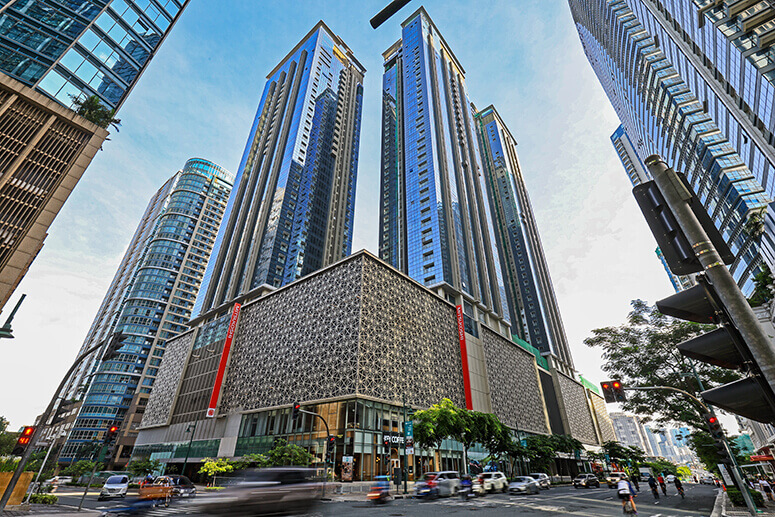
Projects like the Grand Central Park in Bonifacio Global City (BGC) showcase how diverse elements can be incorporated into a unified whole. The 10-hectare township development by Federal Land combines residences, offices, retail, and leisure, creating a community that functions as a city within a city and transforming it into a world where families and businesses coexist harmoniously.
More than a home
Community living in master-planned and mixed-use estates is no longer simply a modern convenience; it has become a thoughtful answer to the challenges of urban life. This means less stress and more time together for families, as well as ensuring long-term value for investors. And for cities, it points to a more convenient, sustainable, and livable future.
When choosing a home, the real question goes beyond square meters or location. It is asking whether a development provides a true sense of connection and belonging. Because in the end, a house provides shelter, but a community provides a life worth living.
#PropertyReportFeature
#FeaturedStory
