

Why Manila’s smartest buildings might already be standing
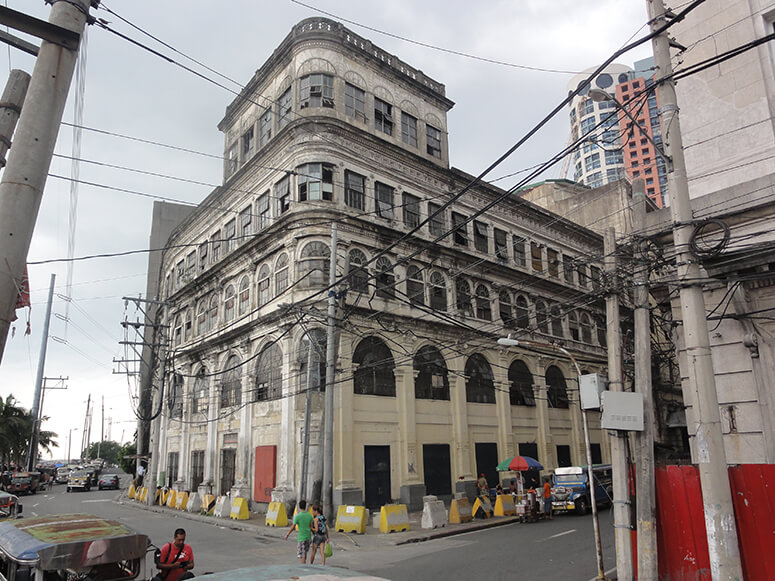
Walk through old Manila—Escolta, Ermita, Binondo—and you’ll find buildings that have witnessed more than a century go by. Some now stand empty, worn by time and, let’s be honest, by neglect. The usual explanation? Keeping them up is difficult and expensive, and the future, people say, should always mean something brand new.
But do we ever stop to ask if that’s true? In a culture that often prizes what’s imported or shiny, we tend to overlook what’s already here. Heritage buildings are more than bricks and beams; they are living parts of our story. And here’s the good news: with imagination and modern technology, these grand structures don’t have to fade away. They can be transformed into smarter, more vibrant spaces that serve us today.
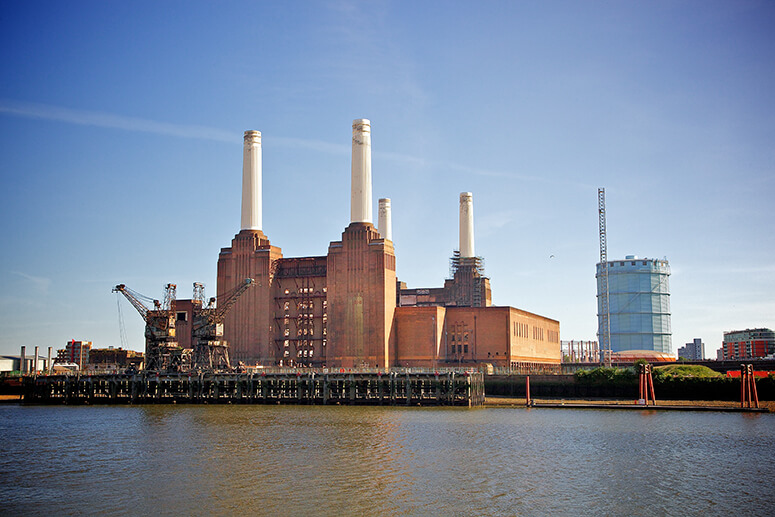
Around the world, historic structures have been adapted in ways that blend old and new. London’s Battersea Power Station, New York’s High Line, and Cape Town’s Zeitz MOCAA are just a few examples, each transformed into contemporary destinations while retaining their original character.
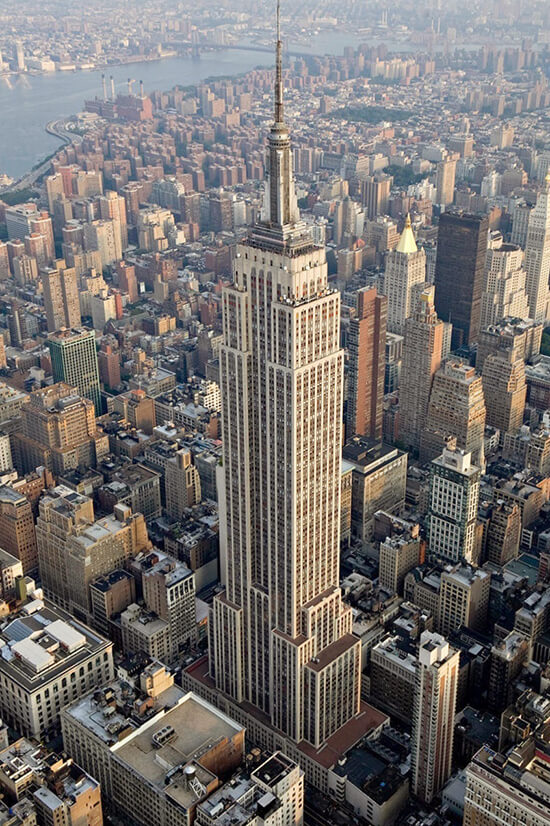
Some go further, showing what’s possible when preservation meets design ingenuity and smart technology. The Empire State Building, for instance, underwent a deep retrofit in 2013 that paired intelligent controls with upgraded insulation, reducing energy use by 38% and earning LEED Gold certification.
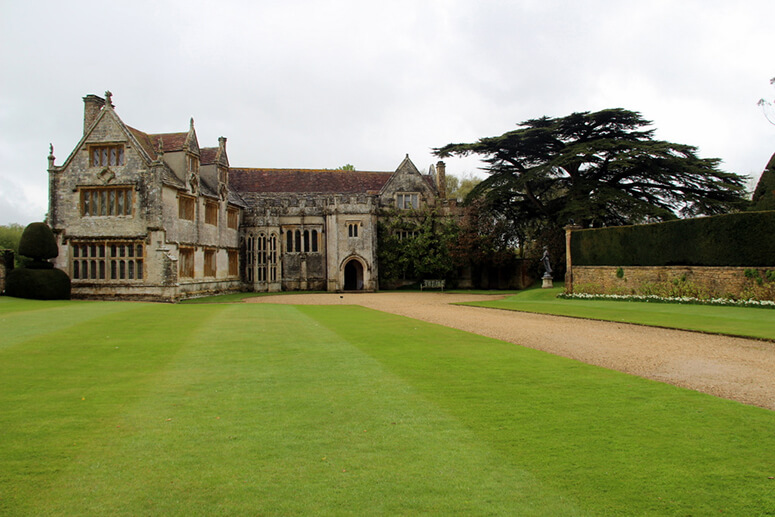
Others quietly reach net-zero, such as the Grade I listed 15th-century Athelhampton House in the UK. With heat pumps, solar systems, and breathable insulation, the historic residence now runs on renewable energy, proving that traditional structures can meet today’s performance standards.
These projects prove that “old” is not the opposite of “smart” or “green.” In fact, heritage buildings were often designed with local conditions in mind long before “sustainability” became a buzzword. In Manila’s tropical climate, high ceilings, permeable walls, generous windows, and deep overhangs helped buildings stay cool and breathable. We are only now rediscovering the wisdom in those choices.
The best retrofits do not erase character; they enhance it. Modernizing heritage buildings doesn’t mean wiping their memory clean. It’s about giving them a second life. Smart technologies can help: sensors for lighting and temperature, automated zoning, and adaptive systems that enhance comfort without altering form.
And let us not forget the cultural aspect. Every city is built in layers, ours included. When we choose to keep and adapt what already exists, we are saying our past matters, and that progress does not have to start from scratch. Instead of blank slates, we can have rich stories woven through our streets and skylines.
Authenticity is one of the most valuable qualities a city can have, but also one of the hardest to fake. In Manila, it already exists, even if hidden behind faded paint or broken windows. Smart retrofits can bring it back—not by turning old buildings into museum pieces, but by making them lively, useful, and relevant again.
This is now possible in ways unimaginable a generation ago. With integrated platforms and adaptive systems, buildings can not only conserve energy but respond intelligently to those who inhabit them. The result is a space grounded in its history yet engaged with the present.
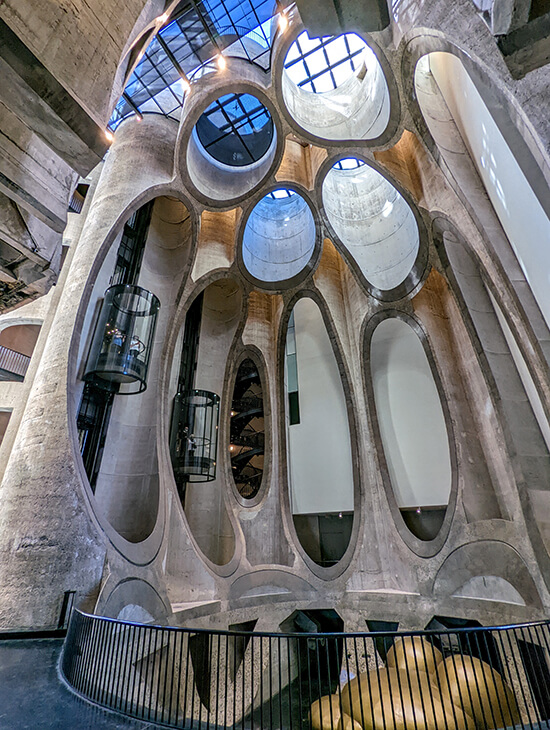
This is not just a design or engineering challenge. It is a cultural one. Our instinct is often to look away from old buildings. In a society that equates progress with the brand new, age is mistaken for obsolescence. But these buildings are not problems to be solved. They are opportunities to be reclaimed.
Building from scratch is costly in time, resources, and carbon. Retrofitting what exists is not only more sustainable; it is more meaningful. When we rehabilitate a building, we are not just saving embodied energy. We are preserving embodied memory. We are saying: this too is worth keeping.
This is the deeper act of regeneration—not just building anew, but building with memory and foresight. Honesty is the best design, in what we use and how we see our city: rich, layered, and full of potential.
So next time you see an ageing building in the city, do not just see a relic. Imagine the possibilities. Around the world, heritage and smart technology are proving to be a winning combination. Manila has every reason to lead the way in showing that the greenest, smartest building may very well be the one that is already standing, waiting for its next chapter.
#PropertyReportFeature
#FeaturedStory
