

There’s been growing movement in the Philippines to breathe new life into old buildings. In recent years, we’ve seen ancestral homes, abandoned structures, hospitals and even bank buildings transformed into trendy cafés, boutique hotels and unique multi-use spaces.
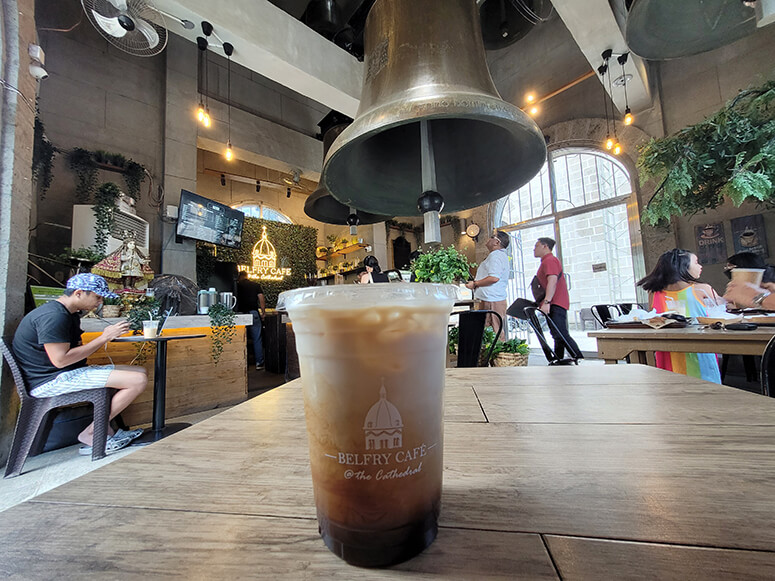
Take some of the hidden cafes in Intramuros for example. Gems like Papa Kape, which operates in a 400-year-old water cistern in Fort Santiago, and Belfry Café, tucked into one of Manila Cathedral’s bell towers, have become hip hangouts championing heritage.
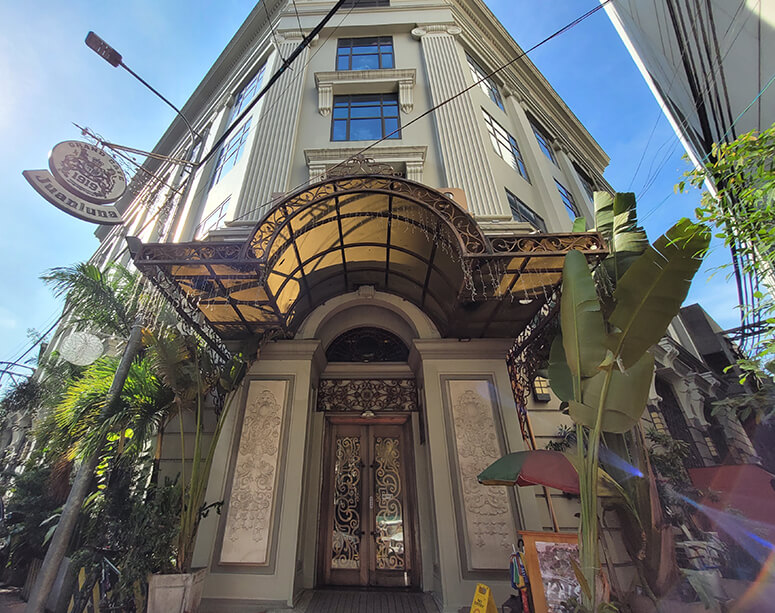
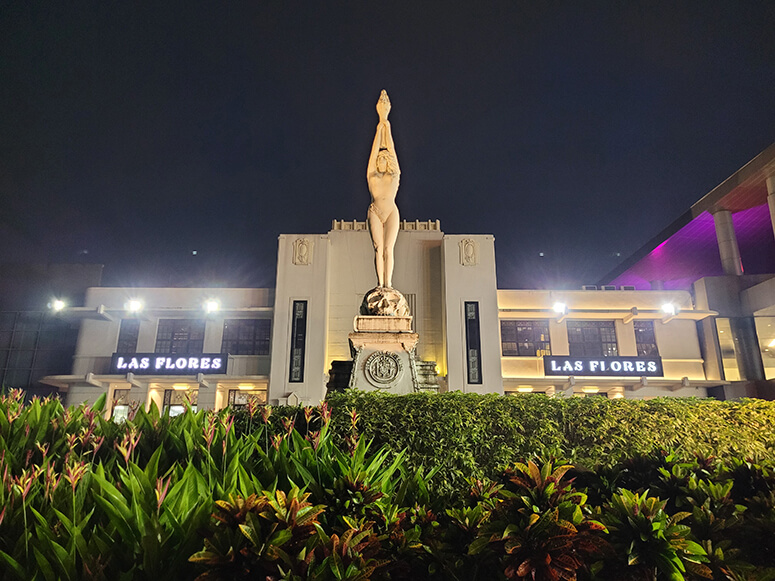
In Alabang, Las Flores, a fine dining spot beside Festival Mall, occupies an Art Deco building that once served as a vaccine lab and hospital during World War II. Over in Binondo, Grand Café 1919 breathes new life into what used to be the century-old HSBC Bank building, which lay neglected for years.
What these places have in common is character, history, and a strong sense of place. Beyond being a place to grab a cup of coffee or a meal, they’re attractions in themselves.
During my trips to abroad, I’ve seen the same trend of adaptive reuse projects in ancient towns that have evolved into pedestrian tourist hotspots. Old warehouses, fortresses, bsolete factories and abandoned theaters have been reborn into cafés, boutique hotels and bustling commercial districts.
As many sustainability experts point out, adaptive reuse supports both progress and preservation. Here are five creative and practical ways we can repurpose heritage spaces without losing their soul.
Respect the original structure
You don’t have to demolish a building to make it useful again. Let the unique features of the structure guide its transformation. In places like Intramuros, details like capiz windows, ventanillas, or original wood floors can be restored and highlighted. Historical elements can be paired with modern touches like glass partitions or minimalist furniture to create a visually interesting blend of old and new.
Use local materials and crafts for restoration
Many old buildings were originally built with high-quality local materials like molave, yakal, adobe, and machuca tiles. Reusing or sourcing these materials for repairs keeps the structure authentic and supports local artists.
Infusing uniquely Filipino elements such as rattan, bamboo, and native textiles helps strengthen a space’s identity while giving it a fresh, modern spin. These small touches add warmth and a unique touch that you can’t get from mass-produced décor.
Blend old and new through distinct zones
Not every corner of an old building needs to remain untouched. Instead of starting from scratch, divide the space into zones. For example, in a repurposed ancestral home, you could keep the main dining room traditional while converting one area into a modern kitchen or hi-tech function room.
Amenities such as restrooms, which require modern plumbing can be upgraded. Accessibility features like elevators or ramps can be retrofitted in a way that doesn’t destroy the existing structure.
Make the space multi-functional
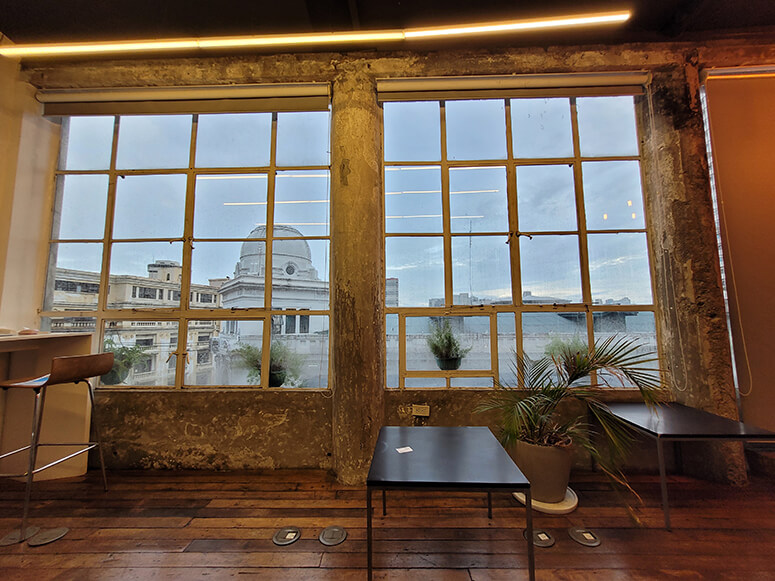
Some of the best adaptive reuse projects serve more than one purpose. Hub: Make Lab in Escolta is a great example. Housed in the old Berg’s Department Store in the 1920s First United Building, it now hosts a vibrant mix of creative pop-ups, art exhibits, a café, bar, co-working space, and more. The space also engages the community through art walks, workshops, and cultural programs that tell the building’s story.
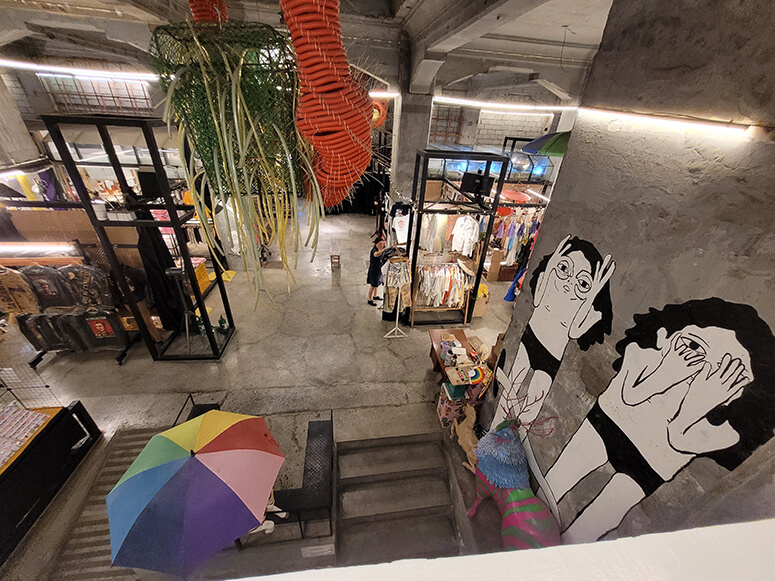
Flexibility is key. An unused room in a commercial building could be a mini-gallery, a rentable office, or even a small Airbnb. Keeping spaces dynamic helps them stay relevant and used.
Tell stories through art, signage or decor
Old buildings have great stories which should be obvious at first glance. A simple photo wall, a short backstory on a menu, or a framed plaque of a building’s history can make visitors feel connected to the building’s past. Displaying vintage heirlooms or repurposing original fixtures for modern uses (like table lamps or table numbers) lets visitors feel the history of a place more.
Having a good story adds charm and cultural value. From a tourism aspect, it fosters pride in local heritage, especially among younger generations who may not be familiar with these a building’s origins.
While it may seem to be more cost-effective for property developers to start from scratch than preserve existing structures, you don’t always have to demolish to develop a place. With creativity and respect for history, old structures can evolve into community hubs and turn places into vibrant commercial areas or tourist spots in their own right.
As the World Economic Forum points out, adaptive reuse can breathe new life into urban areas by transforming ageing and underutilized assets into vibrant community spaces. If done effectively, these projects preserve a city’s identity, support local economies, and boost tourism.
It’s possible to build the future while keeping the old charm alive.
#PropertyReportFeature
#FeaturedStory
