

At Riverpark in Cavite, residential growth, education, and commerce are shaping a future-ready estate community.
Across the country’s emerging growth corridors, development is increasingly being shaped not by individual projects but by larger visions. Master-planned estates are rising as integrated environments where homes, workplaces, institutions, and open spaces are designed together—creating communities that can grow sustainably over time.
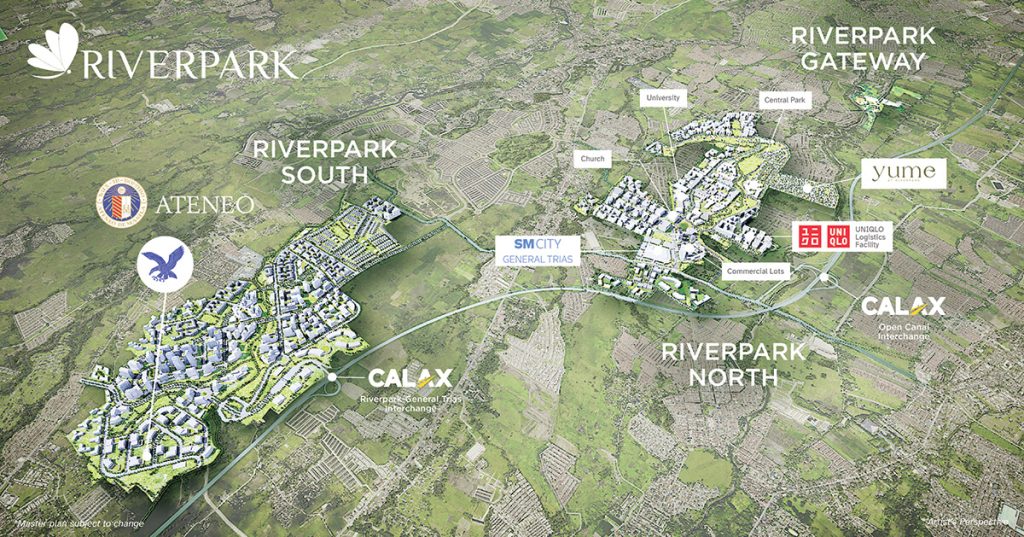
In Cavite, Riverpark reflects this evolving approach to township development. The 600-hectare estate in General Trias—developed by Federal Land in partnership with GT Capital—is gradually taking shape as a new urban district in the South. With key anchors such as SM City General Trias, the development is envisioned as a self-sustaining community where residential living, economic activity, and education intersect.
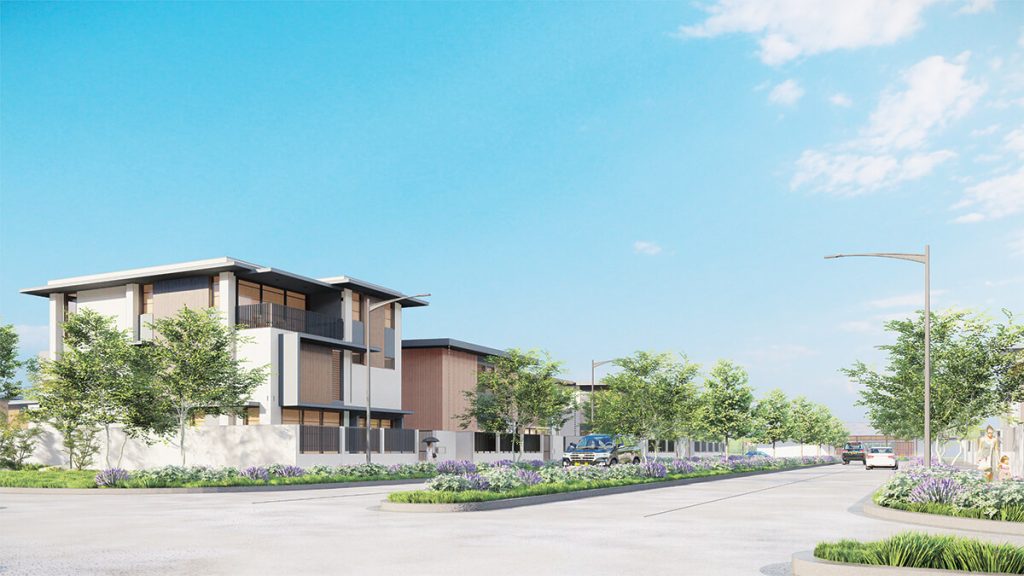
Within the estate, Federal Land NRE Global Inc. (FNG)—the joint venture between Federal Land and Japan’s Nomura Real Estate Development Co., Ltd.—is advancing several key developments that mark Riverpark’s next phase of growth.
Among these are Yume at Riverpark, their inaugural horizontal development, and the upcoming residential project within Riverpark Gateway in Imus City. The new Japanese-inspired vertical community is designed for young professionals and couples at the beginning of their careers, reflecting growing demand for homes near emerging economic centers in Cavite.
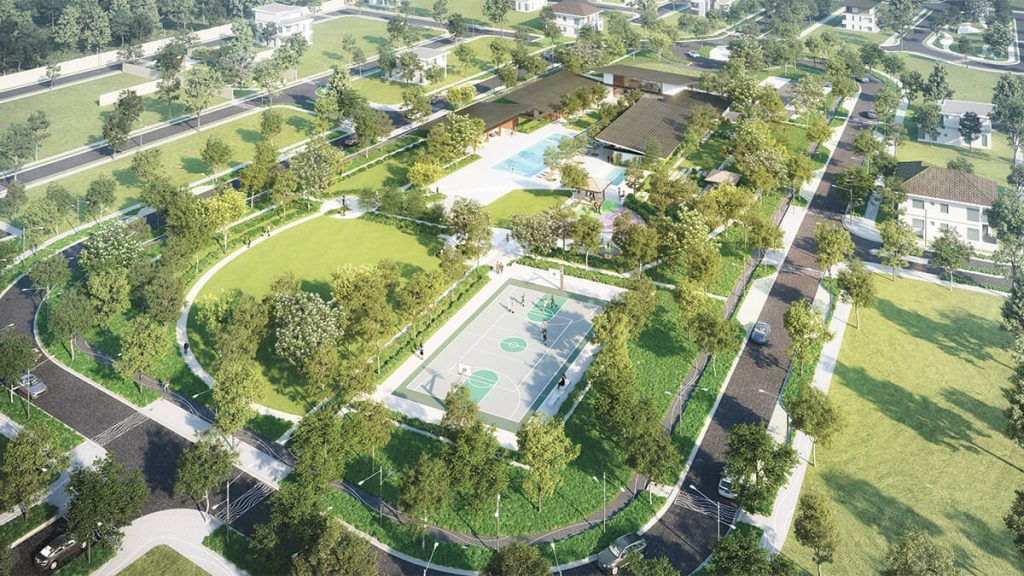
As Riverpark expands, residential neighborhoods are being planned alongside commercial districts, institutions, and open spaces—creating a township where daily life can unfold within a connected environment.
Education shaping long-term growth
Education often serves as one of the strongest anchors of stable communities. Areas built around academic institutions tend to attract families, support surrounding businesses, and sustain long-term residential demand.
Riverpark is expected to benefit from this dynamic through a partnership between GT Capital and Ateneo de Manila University to establish a future Ateneo campus within the township. Planned on a 15-hectare site in General Trias, the campus will expand Ateneo’s academic presence in Southern Luzon while contributing to the development of a knowledge-driven district in Cavite.
Why education anchors communities
• Schools attract families and long-term residents
• Universities help create knowledge-driven districts
• Education hubs support surrounding retail and services
• Access to quality education strengthens property value
Opportunity driving the township’s commercial core
Alongside residential and institutional developments, Riverpark is also building its commercial backbone.
A major milestone was recently reached with the full take-up of Riverpark North commercial lots. Parcels ranging from approximately 1,000 to 2,600 square meters were acquired for future office, retail, and mixed-use establishments, reflecting strong investor confidence in the township’s long-term potential.
The Riverpark North Commercial District spans about 6.9 hectares and is envisioned as the estate’s lifestyle and business center. Planned with approximately 7,700 square meters of landscaped open spaces and direct access to the township’s 16-hectare Central Park, the district integrates commercial activity with walkable green environments.
Infrastructure improvements are expected to strengthen the district’s appeal further. The upcoming Cavite–Laguna Expressway (CALAX) interchange will enhance connectivity across the region, while a second phase of commercial lots is anticipated in 2026.
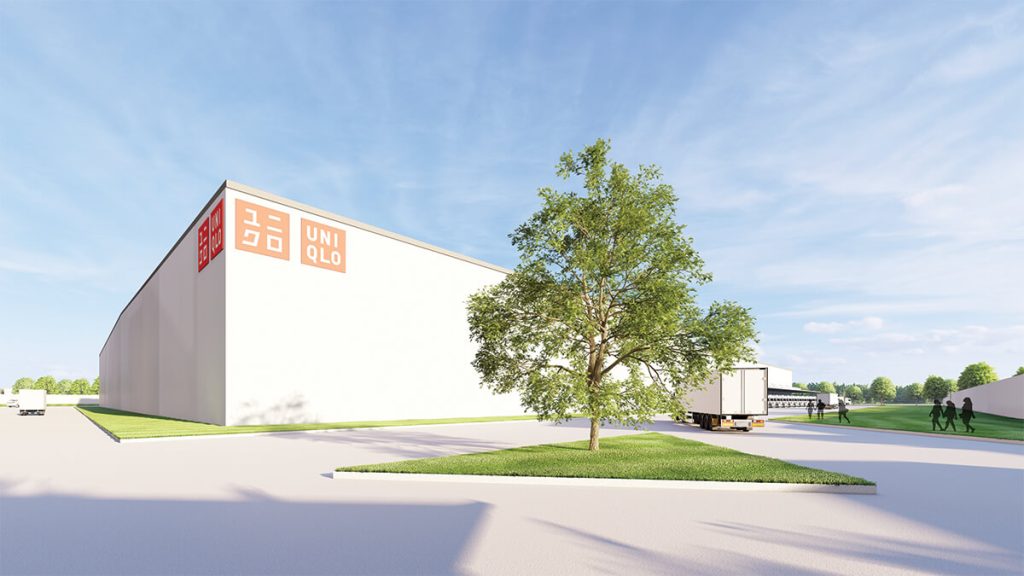
Employment activity is also beginning to take shape within the estate. One major anchor already located in Riverpark is the UNIQLO Logistics Facility, which supports the brand’s distribution network in the Philippines.
How estates create opportunity
• Commercial districts generate jobs and services
• Logistics facilities strengthen regional supply chains
• Work-near-home environments reduce commute times
• Integrated planning supports local economic growth
An estate taking shape
Riverpark’s long-term vision also emphasizes open spaces and environmental integration. The township features Riverpark Trails, a 1.8-kilometer bike trail that forms part of a broader network of parks and greenways across the estate. In total, about 70 hectares are dedicated to open spaces designed to connect neighborhoods, commercial areas, and recreation zones.
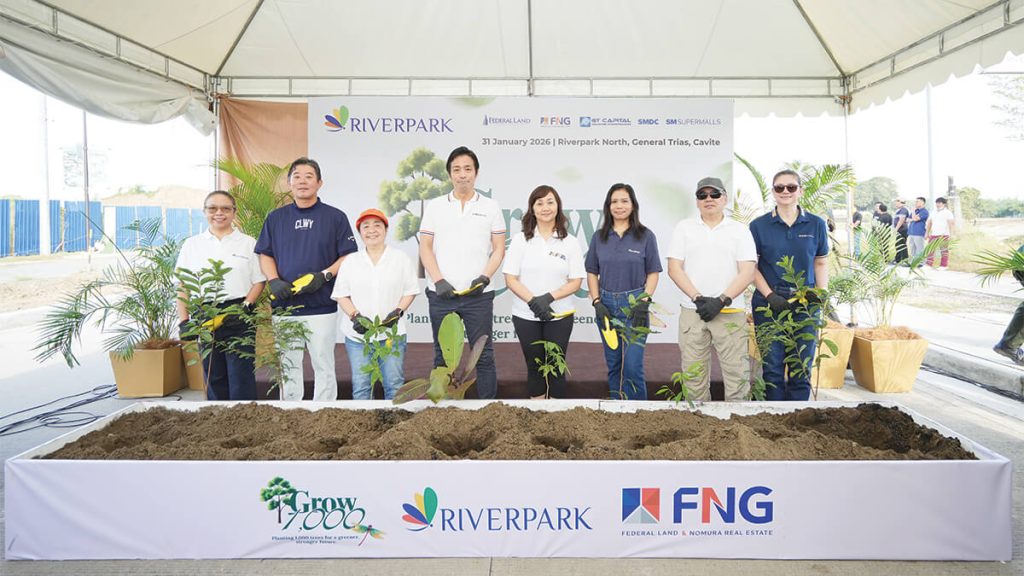
Earlier this year, FNG also launched its Grow 1,000 Trees initiative, planting native, climate-resilient trees across portions of the estate as part of its sustainability efforts.
As Riverpark continues to develop, the development reflects a larger shift in how new communities are being planned. By integrating homes, education, commerce, and open spaces within a single framework, it illustrates how master-planned estates are shaping the future of growth in places like Cavite, where opportunity and everyday living move forward together.
#BrandedUp
