

Laoag City has always had the South China Sea as its neighbor. For most of its history, its people lived with the coastline as a backdrop—present, familiar, but still largely untapped. The western edge of the city sits along a stretch of shoreline that is now drawing real estate interest. Sand dunes also frame the coast, the same natural formations that have made Ilocos Norte a destination for domestic tourism for decades.
Living in the Sunshine City
Laoag does not position itself as a resort destination, and that distinction works in its favor for people looking to build a life by the water rather than simply vacation near it.
The city moves at a steadier rhythm. Mornings along the shoreline begin with strong Ilocos winds and wide blue skies during the dry season, and a quality of light residents often describe as unusually sharp and bright, hence Laoag’s long-standing nickname, the Sunshine City.
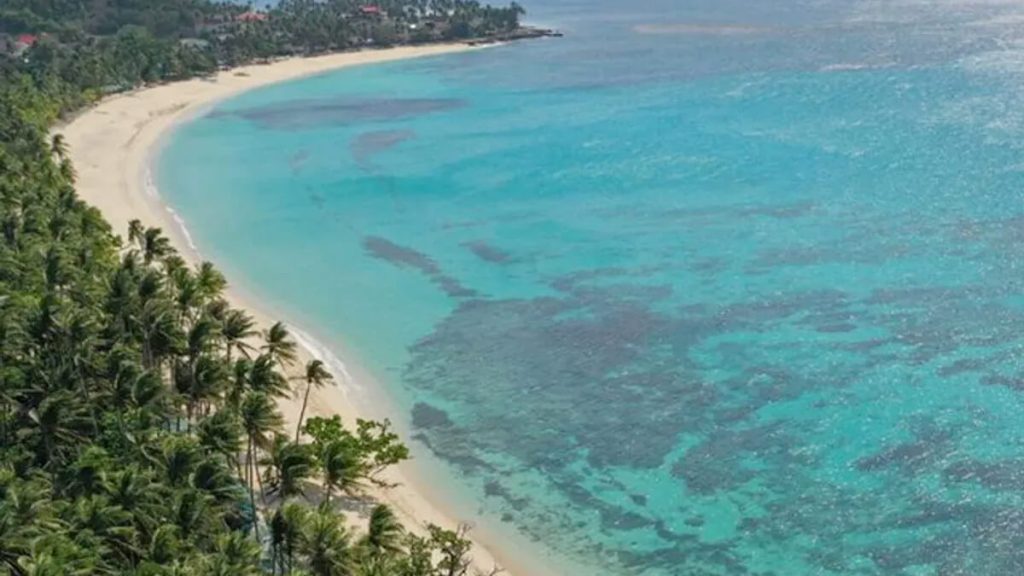
But what really defines its daily life is the integration of coast and city. Within minutes from the beach are essential services and Laoag International Airport, which connects the province to Manila and select international destinations. This proves that the city is not an isolated seaside town but a functioning regional capital. It offers proximity to an open shoreline without giving up essential infrastructure.
Shaped by culture and season
Beyond infrastructure, coastal living in Laoag carries the broader advantages of provincial seaside residence. It has lower land costs than comparable waterfront settings in more developed cities and less congestion. It also has a stronger sense of familiarity among neighbors.
What gives the experience its texture, though, is something distinctly Ilocano. The region’s food, festivals, and Spanish colonial architecture anchor daily life in tradition rather than trend. It is not just an enclave designed around leisure but a lived-in coastline shaped by history and local identity.
The dry season, stretching roughly from November to April, defines the outdoor calendar. Beach access is reliable, the air turns crisp and dry, and weekends often extend to nearby sand dunes in La Paz. Resorts that have long operated along this stretch, including Fort Ilocandia Resort Hotel on the western shore, form part of the landscape, but they remain peripheral to everyday life.
A city worth watching
Coastal property markets in the Philippines have historically rewarded early movers. The pattern in other parts of the country has followed a similar arc, where appreciation accelerates once master-planned development arrives and infrastructure investment signals long-term commitment.
Laoag’s western coastline is at an early point in that arc. Those who want a beach residence without the premiums of an already mature market—and with the daily livability of a real city behind it—should be watching this stretch of shoreline closely.
#PropertyReportFeature
#FeaturedStory
