

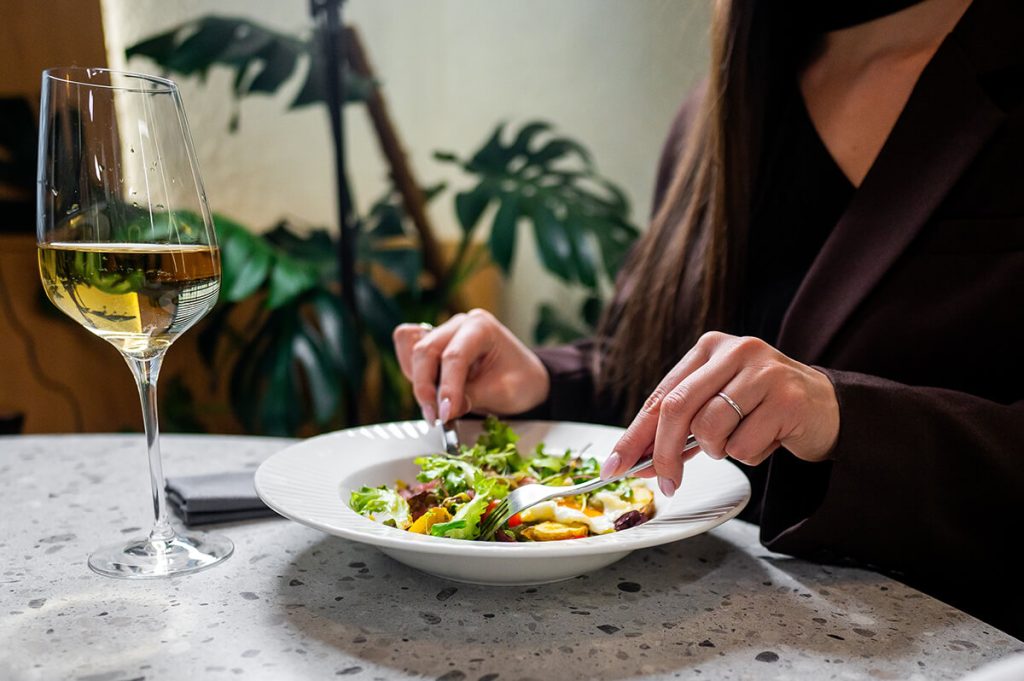
I enjoy dining out solo. There’s a sense of freedom in being able to order exactly what I want and enjoying a new place in solitude. Dining out isn’t just about grabbing something to eat. Sometimes, it’s about savoring a new culinary experience without being distracted by conversation or companions.
Once stigmatized, more people than ever are making reservations for one. As reported in CNN, restaurant booking platform OpenTable data showed that 60% of consumers dined solo in 2024, and there’s been an 8% increase in solo reservations in restaurants. The growing trend is attributed to the popularity of solo traveling, rising numbers of single-person households, and increased independence. More Gen Z and Millennials, particularly the female demographic, are no longer afraid to dine alone.
Restaurants in Japan and South Korea have adapted with specialized seating and “honbap” (solo eating) culture, where contactless ordering and minimal contact with servers is the norm. Tables for one are also an aspirational rather than awkward lifestyle choice in cities like Singapore, New York, Paris, and London.
While solo dining is not yet widespread in the Philippines, its growing popularity presents a distinct market opportunity. The hospitality industry can capture this trend by embracing features that specifically cater to solo diners, enhancing the dining landscape for this emerging group.
Incorporate bar or counter seating
Whenever I dine or drink out solo, I gravitate towards bar seating or chef’s tables overlooking the kitchen to watch chefs at work. These seats offer a natural, socially acceptable spot for one. Other types of restaurants can emulate the design of ramen joints, delis, and hole-in-the-wall pubs by adding counter seating in available spaces intentionally for single diners.
In multi-story restaurants and al fresco cafes with good views, balconies with counter seats facing the windows or outside give solo diners an option to enjoy the view with a coffee or meal, rather than sit at a large table in the middle of a noisy room.
Design quiet zones or nooks
Solo diners prefer to remain inconspicuous and sit in calmer, less hectic environments, favoring quiet corners with smaller tables and seats. Coffee shops, bakeries, library cafes with books, and spots with sockets often feel welcoming for those who usually catch up on work alone. Adding small tables, semi-private nooks, or dedicated quiet rooms offers a sense of privacy and can maximize the number of seats in a restaurant. After all, restaurants sell seats, not tables.
Offer flexible menu options
Most traditional restaurants in the country still cater to large groups with long tables and serve meals in family-style portions. Solo-friendly spots often offer smaller, more flexible portions, such as half-serving sizes, or varied, smaller plates, allowing diners to try multiple dishes without wasting food.
Special promos centered on celebrations are also usually designed for couples and families. With Valentine’s Day and Chinese New Year coming up, offering special deals for those traveling and dining solo can help capture the niche market that also wants to celebrate.
Surprisingly, some high-end, fine dining restaurants offer tasting menus suitable for solo diners who want to focus on the food and experience. However, most spots still require a minimum of two to dine, which is a shame for those willing to splurge on themselves but can’t find a willing companion to join them.
Provide connectivity & amenities
Some places naturally feel more welcoming to solo diners through their ambiance, with dim lighting, background music, or other distractions that encourage lingering. Cafes and restaurants can make it easier for lone workers to dine leisurely by providing free Wi-Fi, easily accessible charging ports, and reading materials, encouraging quality alone time.
Harness social media
Social media has made it easier for people to find restaurants well-suited for solo meals, and those who enjoy the experience will likely share it online. Cafes with spaces where diners can enjoy silence, go journaling, finish books, or enjoy solitary comforts are now in high demand. Cafe owners can capitalize on this by harnessing social media to showcase specific promos and events to encourage solo diners to treat themselves out more.
Tips for solo dining
- · Choose the right restaurant. Casual spots and counters are more ideal for solo meals than romantic fine-dining or lauriat-style restos.
- · Go at off-peak hours. Dine earlier than noon or 7 PM and skip busy nights when restaurants are packed, like Friday nights or holidays, for better service.
- · Bring entertainment. Bring a book, journal, or tablet to help pass the time while waiting.
- · Watch for deals. Dinner portions are often larger and more expensive. Brunch, lunch sets, and happy hour promos make solo dining more casual and budget-friendly.
- · Talk to the staff. Ask for a good seat or dishes that work well for one.
#PropertyReportFeature
#FeaturedStory
