

Mandaluyong City has steadily grown into one of Metro Manila’s most dependable midtown communities, drawing attention for its balance of access and livability. It may be compact in size, but its pull has grown stronger with every year. The city has evolved from being a midpoint between larger business hubs into a place where returning Filipinos, long-term renters, and everyday home-seekers find stability—especially as families look for homes that match changing priorities and investment goals.
Built on everyday connectivity
The city sits at the heart of the metro’s most active districts, with boundaries brushing San Juan, Quezon City, Pasig, Makati, and Manila. This geography has shaped much of its character. The straightforward travel and predictable commute patterns are reasons that make people choose and stay in Mandaluyong. EDSA and Shaw Boulevard cut through the city, while two MRT-3 stations keep it tied to the larger rail network, giving residents direct access to surrounding business districts.
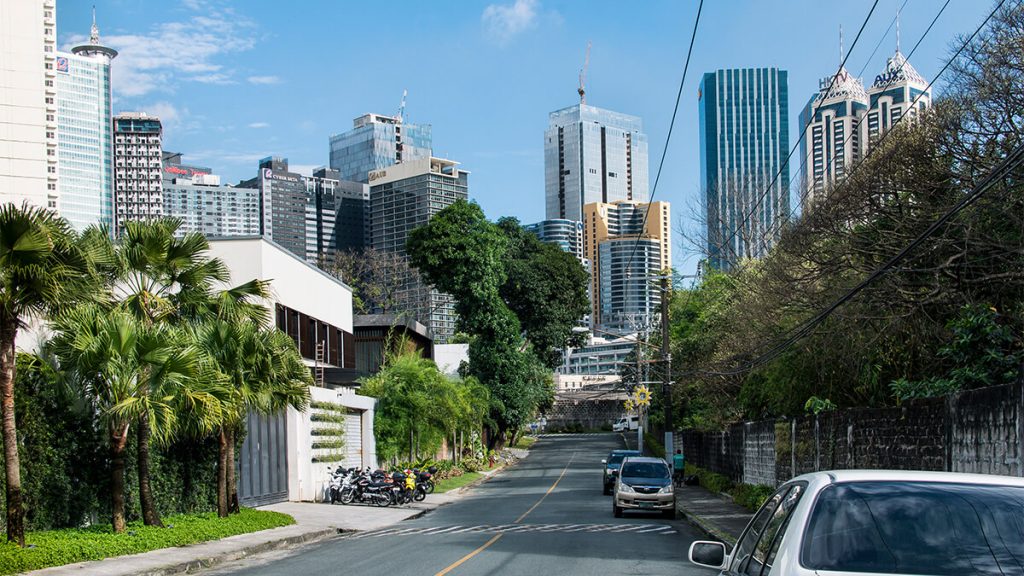
Accessibility has also taken on a deeper meaning for families reunited after years of overseas work. Living in a place where daily routes are shorter and routines are easier to manage helps them adjust more smoothly to daily life. Mixed-use pockets around the city, like residential towers beside workplaces, shopping centers, and community spaces, have made these transitions less stressful and more practical.
Keeping market interest
Condominiums remain one of Mandaluyong’s strongest draws. Developers continue to roll out projects that appeal to homebuyers and investors, including returning Filipinos weighing where to settle permanently.
The city’s developments give buyers access to business hubs without entering the high-end brackets of neighboring districts. Analysts say this positioning helps sustain strong interest in the local market.
Demand for rental units remains steady, particularly along Shaw Boulevard and other key corridors. Though comprehensive citywide rental figures are scarce, high occupancy rates in major developments indicate a stable market, giving investors confidence in potential rental returns.
Growth beyond residential towers
Mandaluyong is seeing more mixed-use developments that combine residential, commercial, and retail spaces within short distances. These projects make it easier for residents to access work, shopping, and services without long commutes.
Infrastructure improvements also support this expansion. Upgraded roads and improved transport links, as well as the city’s central location, have strengthened investor confidence and encouraged ongoing development.
Practical options for returning Filipinos
Many Filipinos coming home after years abroad want homes that are practically functional, accessible, and emotionally grounding. They want living spaces that reflect stability and possibility, and Mandaluyong fits neatly into that space.
The city’s location eases transitions, and its developments offer comfortable urban living. The steady market also gives buyers, whether end-users or investors, room to grow. While some data gaps remain, particularly in consolidated rental statistics, the overall picture is one of a city whose value continues to be strong. This assures anyone evaluating long-term options.
Mandaluyong remains modest in size, yet its evolving character makes it one of Metro Manila’s most quietly compelling locations. For those returning home, starting anew, or simply looking for a place that feels connected, Mandaluyong is within reach and can be a home that is simply well-placed and well-lived.
#PropertyReportFeature
#FeaturedStory
