

Quezon City has always been known for its strategic location and vast land area compared to other cities in Metro Manila. While its prime location already gives off easy access to nearby cities, the connectivity it offers is expected to get a boost with the completion of various infrastructure projects, which will further connect it to the province of Bulacan.
With transportation projects such as the MRT-7 underway, Quezon City is now boosting its potential as a dynamic gateway linking Metro Manila to rapidly growing northern provinces.
QC’s strategic location
Quezon City offers an expansive geographical coverage, providing residents with access to nearby cities such as San Juan, Mandaluyong, Pasig, and even Bulacan. In its northern portion, the city borders San Jose Del Monte, Bulacan, while it borders Mandaluyong City in its southern part.
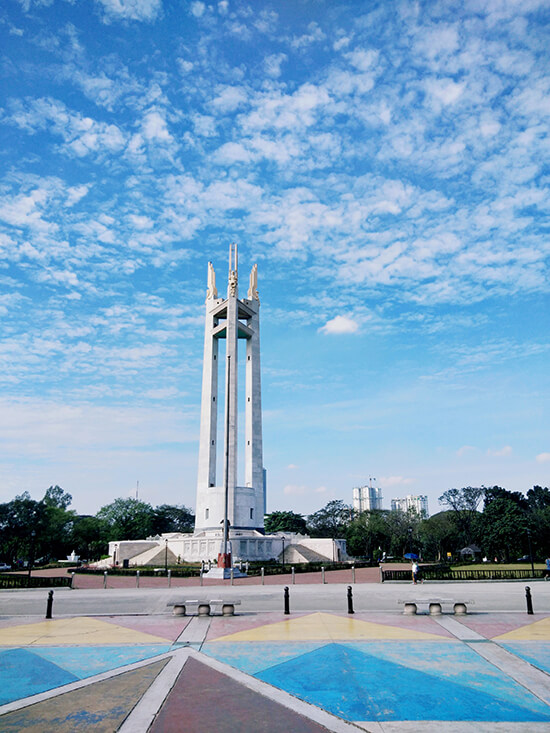
Several major thoroughfares run through the city, making it easy to travel within its districts as well as nearby cities. One major thoroughfare is EDSA (Epifanio de los Santos Avenue)–the region’s main circumferential road, connecting QC to Pasay, Makati, Mandaluyong, and Caloocan.
Additionally, Commonwealth Avenue, one of the widest roads in the country, offers a major link to northern Luzon provinces. Other thoroughfares such as the Quirino Highway, Mindanao Avenue, C-5 Road, and NLEX connections strengthen intra-city and regional travel.
Upcoming MRT-7
A key project that is expected to boost connectivity between Quezon City and Bulacan is the MRT-7, which will span about 22 kilometers and will feature 14 stations located from North Avenue, Quezon City to San Jose del Monte, Bulacan.
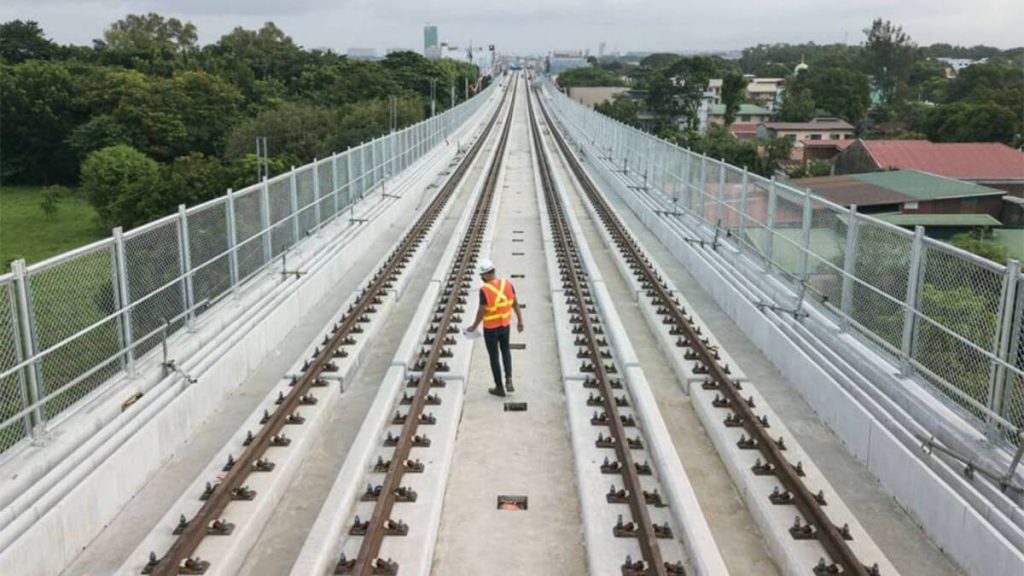
According to earlier news reports, the railway project is expected to be partially running by 2027, with full completion targeted before the end of the current administration. The railway, costing P68.2 billion, is expected to transport as many as 800,000 passengers daily.
Beyond commuting convenience, MRT-7 will interconnect with other major rail lines, allowing seamless transfers within Metro Manila and supporting a more integrated transport network. The project is seen to be one of the most interconnected rails in Metro Manila, as it is linked to the Unified Grand Central Station that loops to the Light Rail Transit Line 1 and the Metro Rail Transit Line 3.
Enhanced opportunities for residents, local economies
Improving connectivity between the QC-Bulacan corridor is seen to accelerate economic activity in the area, as it will result in the faster transport of goods and materials, as well as easier access to talent from both the city and the province. This is seen to provide residents of both Bulacan and Quezon City access to more job opportunities.
For daily commuters, students, and professionals, the improved link between QC and Bulacan also brings greater lifestyle flexibility, letting people enjoy suburban living while staying connected to Metro Manila’s urban centers. This may also result in improved residential options, as families can choose homes based on quality of life rather than commute constraints.
Additionally, the better connectivity may also positively impact property values in the area due to the strategic location, which offers better value to residents and investors.
Beyond the convenience and commercial benefits, the improving connectivity between Quezon City and Bulacan symbolizes the gradual integration of Metro Manila with the nearby provinces of North Luzon, which may provide better mobility and economic opportunities for more Filipinos.
#PropertyReportFeature
#FeaturedStory
