
From Berlin comes a lesson that goes beyond technology: when people share ideas and trust one another, design becomes smarter, buildings perform better, and life becomes more comfortable for everyone.
Imagine listening to an orchestra play your favorite piece of music. Every musician follows the same score, each adding something special, but it is only together that the music truly comes alive. That is a lot like how building design should work—everyone coordinating, sharing ideas, and trusting one another to create something better than any one person or firm could achieve alone.
Speaking a Common Digital Language
This spirit was front and center at the BuildingSMART International Summit in Berlin. The event brought together designers, builders, managers, and technology experts with one big goal: to help everyone speak a “common digital language.” Now, you might wonder what that means for you—or for anyone outside these industries.
Think of it this way: BuildingSMART International sets global standards so that digital tools used by architects, engineers, and builders can “talk” to each other. Their main focus is interoperability, or simply making sure that information can be easily shared between different people and systems. When this happens, projects are completed faster, with fewer mistakes, and the final buildings are more efficiently operated and sustainable.
One of the most practical frameworks making this possible is called OpenBIM, short for open Building Information Modeling. Here is what that means for everyday life: OpenBIM lets everyone working on a project—no matter what software they use—collaborate on the same digital model. So when you walk into a new hospital, school, or apartment building, you can feel confident that what was designed is actually what got built.
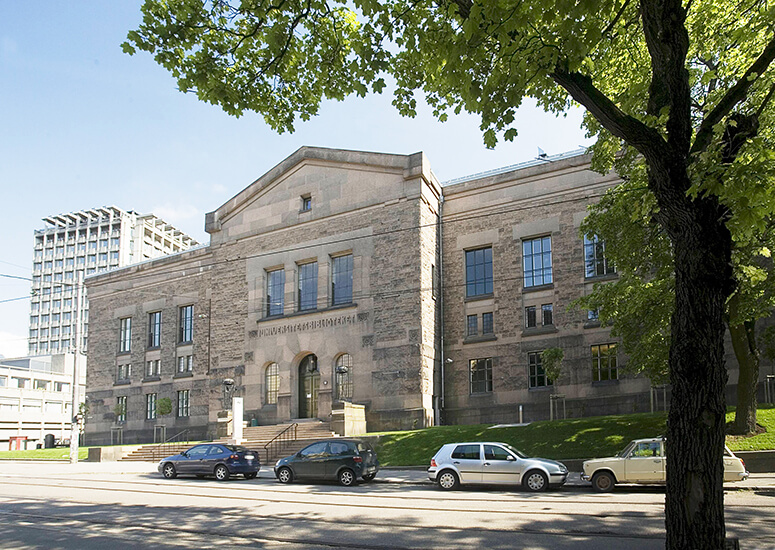
For example, Norway’s National Library renovation used OpenBIM, allowing architects and contractors to share precise models and data. This helped avoid costly mistakes, finish the job faster, and ensure the building was comfortable and energy efficient for visitors and staff.
Why It Matters Beyond Technology
OpenBIM is not just about advanced technology; it is about making life smoother for everyone. Suppose your apartment building needs repairs. Thanks to OpenBIM standards, the data created during design and construction remains useful years later. Building managers can quickly find out what materials were used, what systems are in place, and how to upgrade or recycle parts responsibly.
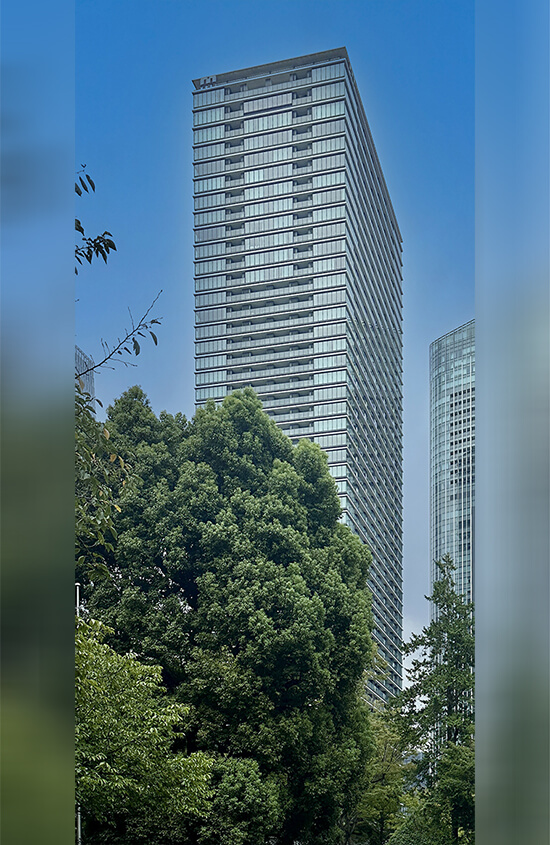
In Tokyo, the Toranomon Hills redevelopment project used OpenBIM to manage complex construction and later maintain building systems, saving time and reducing waste.
These standards are more than just ideas. They are built into frameworks such as ISO 19650, which helps manage building information from start to finish. This means that even after a building is completed, the data remains valuable, helping owners keep things running smoothly and sustainably.
For families, this translates to safer, healthier, and more comfortable places to live and work. Across Europe, countries such as Finland and the Netherlands have adopted OpenBIM policies for public infrastructure, resulting in schools and hospitals that are easier to maintain and upgrade.
Progress Through Shared Understanding
What struck me most in Berlin was not just the technology; it was the people. Interoperability, at its core, is about working together openly and trusting one another. It is about using technology as a bridge between different experts, so that everyone’s ideas and knowledge are included. That is how real innovation happens—when people choose to share rather than compete.
The atmosphere at the summit was warm, open, and collaborative. Leaders, developers, and designers came together not to outdo one another, but to contribute. There was a clear understanding that the future depends on cooperation. It reminded me that great ideas thrive where people are open to listening and working together.
If you are not in the industry, interoperability might sound technical, but its benefits are real and close to home. It means fewer delays and surprises during construction, buildings that work better and last longer, and spaces that are more comfortable and sustainable. For developers, it means peace of mind that plans will be carried out accurately. For everyone else, it means healthier buildings and cities that support daily life.
The biggest lesson from Berlin was not just about technology; it was about understanding. Progress comes from sharing knowledge and working together. Interoperability is a human achievement, not just a technical one. When many minds play from the same score, they create something lasting, harmonious, and truly meaningful for all of us.
#PropertyReportFeature
#FeaturedStory
