

Choosing a home today goes beyond floor area and price tags. For many buyers, the more essential question is whether a place allows them to truly live, move freely, breathe deeply, and feel connected to their surroundings. In San Jose del Monte (SJDM), Bulacan, that balance between space and livability has become a defining quality that sets the city apart, both as a home and an investment.
Living with the land
San Jose del Monte sits on rolling terrain at the southeastern edge of Bulacan. The city’s official ecological profile describes a mix of lowlands and gently sloping hills that rise toward the Sierra Madre foothills, with land classifications that still include patches of grassland and brush amid expanding development. Developers and buyers who pay attention to slope, natural drainage, and existing vegetation gain practical advantages like improved natural ventilation, cooler micro-climates, and lower flood exposure when parcels are chosen carefully.
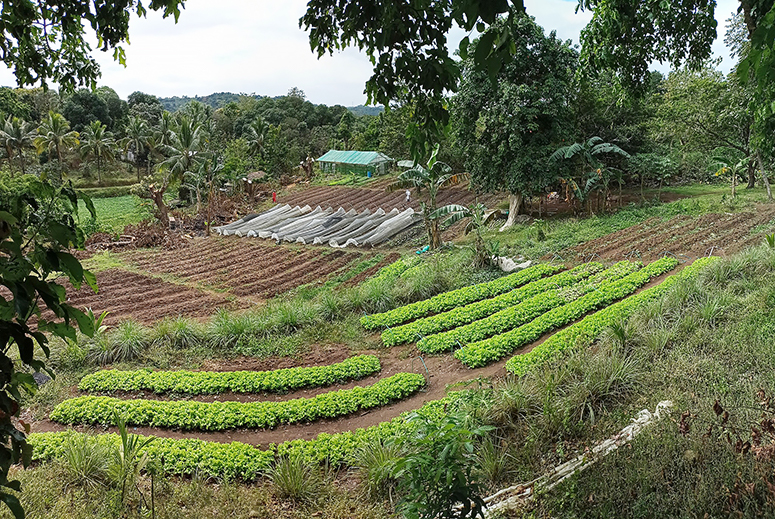
Climate, comfort, and everyday living
The city’s tropical-humid climate yields warm days and a pronounced rainy season. Weatherspark’s climatology for SJDM shows average highs typically in the high-20s to low-30s Celsius and concentrated rainfall from May through December. For residents, this means greenery is supported year-round, and a well-designed home can harness prevailing breezes for comfort without over-reliance on air conditioning. These climatic patterns are a practical factor for families seeking more comfortable, lower-stress daily routines.
Nature as a market differentiator
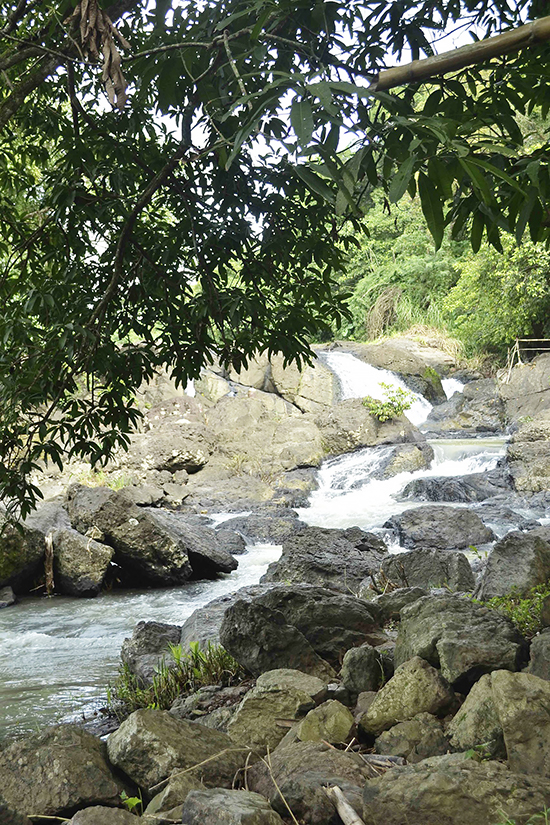
Across the Philippines, Colliers has tracked increased interest in wellness-oriented and nature-adjacent housing products. Post-pandemic buyers now weigh access to green space, ventilation, and outdoor amenity design more heavily when choosing projects. In fringe cities such as San Jose del Monte, demand creates an opportunity where developments that thoughtfully integrate landscape and community spaces stand out and attract long-term occupants.
Connectivity and practical value
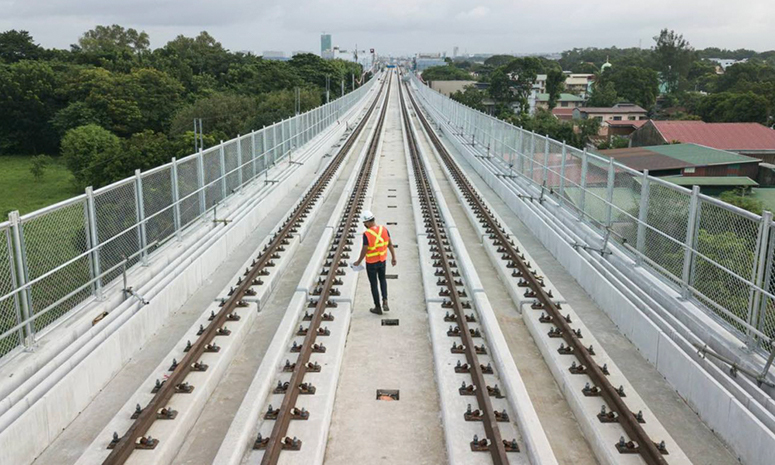
Nature matters most when it is balanced with access. Infrastructure improvements and rail projects linking Bulacan to Metro Manila influence buyer preferences and price dynamics. Relevant Department of Transportation (DOTR) and Public Relations and Information (PRI) updates and newsletters discuss MRT-7 and related works that affect northern commute patterns. Such projects reshape how homebuyers weigh proximity to the city against the ease of suburban living.
Poised for sustainable growth
San Jose del Monte’s transformation is being shaped not only by infrastructure but also by its inclusion in the New Manila International Airport’s wider growth corridor. As Bulacan gains traction as a residential alternative to Metro Manila, the city’s proximity to major projects (without being engulfed by their congestion) offers both ecological and economic advantages. The Philippine Statistics Authority (PSA) recorded steady population growth in SJDM, rising from 574,089 in 2010 to 651,813 in 2020, reflecting continued migration from the capital toward areas that promise space and sustainability. This measured expansion underscores why developments anchored on green design and responsible land use will likely see stronger, more stable value appreciation over time.
Choose the right balance
For the prudent buyer in San Jose del Monte, nature is not merely aesthetic but also an asset. Select a parcel that respects slope and drainage, values existing vegetation, and still offers road and transport access. When green advantages meet sound connectivity and developer discipline, the result is a home that improves everyday well-being and preserves market desirability.
#PropertyReportFeature
#FeaturedStory
