

Let’s talk about something that comes up all the time with smart buildings: cost. It is one of those questions that is always on everyone’s mind. How much extra are we talking about? What are you really paying for? And is it actually worth it?
All of these are great questions. Technology, especially when you are weaving it into a building, can seem expensive or even a little over the top. But here is the thing: the cost of building smart is not just a number to look at in isolation. You need to think about what you are getting in return, both right away and for years to come.
Upfront costs: More than just gadgets
Sure, making a building “smart” usually means you will spend more at the start. All those sensors, automation systems, and digital tools do add to the bill. On average, you might see construction costs increase by around 5 percent when incorporating smart technology. But honestly, the real cost is not just about the equipment. It is about the careful planning and teamwork needed to make sure all that technology actually works for you.
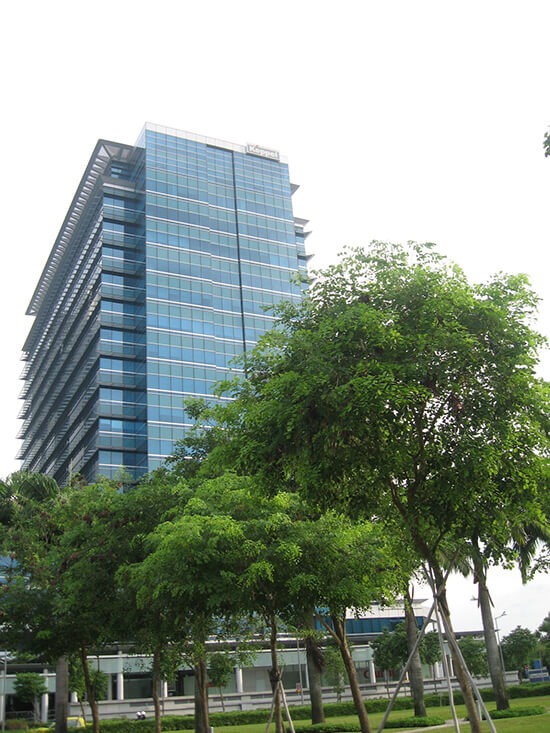
The smartest results come when technology is in the conversation from day one, not as an afterthought near the finish line. That means you are investing in people who know how to blend digital systems with things like architecture and engineering. And we are not just talking pesos here. You are putting in time, attention, and a great deal of collaboration across teams.
The payoff: Savings, insights, and staying power
What really sets a smart building apart is not only the state-of-the-art gear, but also the way those systems keep bringing you value long after everyone has moved in. Take energy use, for example. Smart systems can lower your consumption by adjusting lighting, cooling, and power in real time. That means lower bills and less strain on your equipment.
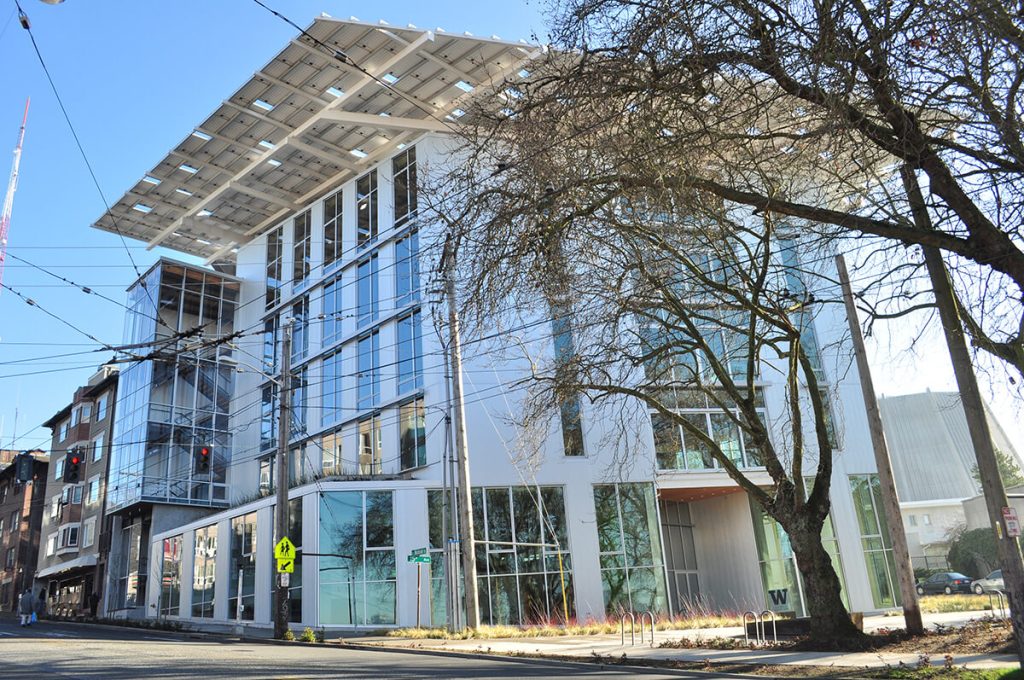
It goes beyond utilities. Smart buildings give you visibility on how everything is running. You can spot and fix problems faster, keep things operating smoothly, and let your team focus on larger goals. Over time, those savings can cover your upfront costs, and often you will even come out ahead.
And here is a major advantage: smart buildings are flexible. As needs change, you can reprogram or reconfigure spaces without major disruption. When you consider how fast technology and the way we work are evolving, that kind of adaptability is a significant benefit.
What happens if you don’t build smart?
Let us turn the question around. What about the costs of not going smart? A more traditional building might save you money at the outset, but over time you could face higher operating costs, less flexibility, and more management challenges. If you cannot see how your building is performing, you will miss opportunities to fix small issues before they escalate. Without automation, routine tasks consume more time and budget.

These are not just hypotheticals. An office without reliable digital infrastructure might require costly upgrades simply to get everyone online. Or imagine trying to manage energy use in a large complex. Without smart systems, bills climb, regulations tighten, and tenants grow frustrated. Eventually, that kind of space could lose its market edge.
Think of cost as an investment
Here is the bottom line: smart building technology is not just a bill, it is an investment in how your building will perform, adapt, and support people in the long run. Just as we expect fire alarms or elevators in any decent building, digital intelligence is quickly becoming the new standard. It is not merely a “nice to have” anymore.
The key is to invest wisely. You do not want to spend for the sake of it. Instead, align your digital approach with what people and your operations genuinely need. A well-designed smart building pays for itself, not overnight, but through ongoing savings and continued relevance for years.
Putting it all in perspective
Yes, building smart means spending more upfront. But the returns—lower operating costs, healthier and more productive spaces, and a building that can keep pace with the times—make a compelling case. Increasingly, smart buildings are not just a bonus; they are what is expected if you want to remain competitive. The real question is not whether we can afford to embrace smart technology, but whether we can afford not to.
Next time, we will explore what it means to experience life inside a smart space, where design and technology combine to make daily life simpler, safer, and more connected.
#PropertyReportFeature
#FeaturedStory
