

In recent years, interior design has evolved from a visual discipline into a powerful language of self-expression. We now see homeowners transforming a spare bedroom into an art studio that reflects their creative soul, or turning a once-formal dining room into a warm communal space filled with handmade furniture, personal mementos, and family heirlooms—spaces that speak not only of style, but of story. This is evidenced by the increasing emphasis on personal identity and cultural narratives in design projects.
More than ever, the spaces we inhabit are expected to communicate who we are, what we value, and how we live. In a time of cultural shifts, personal rediscovery, and renewed priorities, interiors are speaking truth—quietly but with conviction—highlighting purpose and identity.
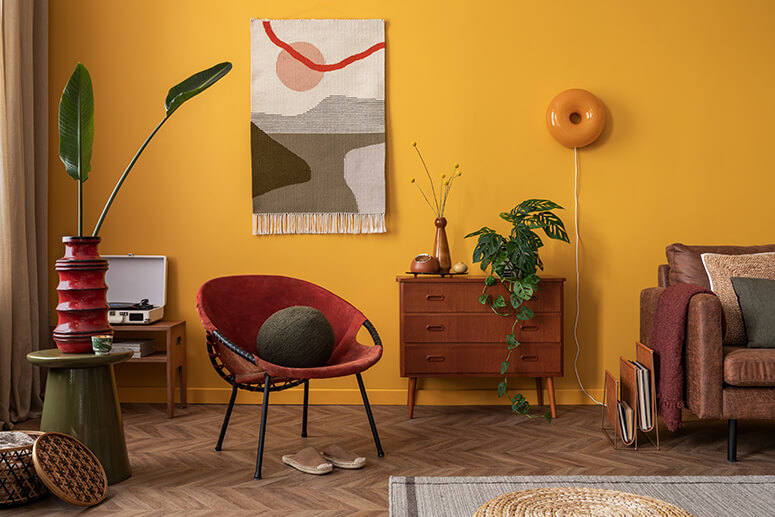
Building on the idea of self-expression, the days when interiors were all about trends or matching aesthetics are gone. Today, I see a beautiful shift toward designing with intention. There is a quiet reading nook for rest and a dining space for conversation. Materials are chosen not for show, but for what they stand for—sustainability, heritage, or craft. These choices reflect a deeper desire for spaces that feel real, grounded, and personal.
This awareness grew even stronger during the pandemic, as we re-evaluated our surroundings. Function and comfort became essential. Remote work, wellness, and flexible living reshaped how we view our spaces—as extensions of our identity and values.
We’re also seeing a move toward designing through the senses—immersive interiors that go beyond visual appeal. Spaces that invite you in through scent, sound, texture, and memory. More than being seen, they evoke feelings. They leave a lasting impression. As designers, it is our job to reflect the personality of the user. That’s the art of the design narrative we create because the interior serves as a tool, not just a background.
At the Benilde Interior Design Program, we encourage students to design with empathy and meaning. Beyond form and function, we ask them to consider emotion, cultural relevance, and ethical choices. Every space becomes an opportunity to empower, to heal, and to tell a truth that matters.
In many ways, the renewed focus on authenticity and personal identity in design brings us home—to the Filipino way of living. We’ve always balanced practicality with poetry. Our spaces reflect memory, tradition, and heart. There’s a kind of Wabi-Sabi in how we mix the old and the new, embracing imperfection while honoring beauty. As Filipinos, we often include pieces that highlight our personality, our past, or our loved ones. You see it in how a vintage aparador stands beside a sleek modern light fixture or how heirloom banig mats layer over polished concrete floors—spaces that reflect memory and meaning.
When we root interiors in authenticity, they become reflections of who we are. That is what makes them timeless.
#PropertyReportFeature
#FeaturedStory
