

Not too long ago, the value of a building was all about its physical presence—how solidly it was built, where it stood, and the materials it was made of. Structural stability, prominence, and quality were the gold standards of good design. And while these things are still important, the conversation has evolved to include something less visible—something quieter, yet just as vital. Buildings today are becoming intelligent.
As an architect and a smart building advocate, I’ve been deeply immersed in shaping the spaces where people live and work. Watching this transformation, I feel it’s not a future we’re waiting for—it’s a responsibility we need to embrace right now.
The term “smart building” might sound a bit abstract, maybe even futuristic. But really, it’s pretty straightforward: a smart building uses technology to make life better for the people inside it. Think about it. What if your building could manage energy more efficiently, adjust lighting and ventilation based on real-time conditions, and even let someone know when maintenance is needed before anything breaks? In some cases, these buildings can even protect the health and safety of their occupants, all of this happening subtly, in the background, without requiring constant input or technical expertise.
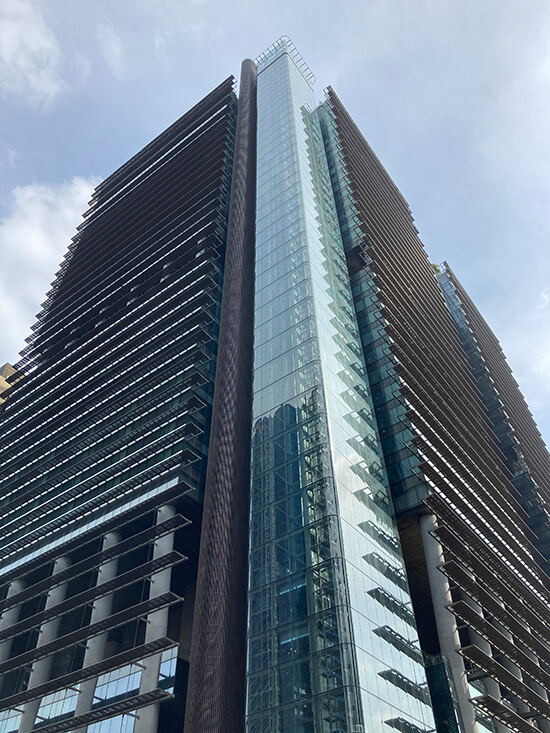
This isn’t just theory—it’s already happening.
We’re starting to see smart buildings pop up—not just in the big cities of the world, but increasingly in our own communities. Offices, homes, hospitals, schools—these spaces are changing before our eyes. And the question isn’t “Should they change?” anymore. The question is, “Why now?”
Well, let’s unpack that.
First, there’s the growing awareness of how much energy buildings consume. You might be surprised to learn they account for nearly 40 percent of global carbon emissions. That’s a huge number. Making buildings more efficient is one of the clearest ways to reduce our environmental impact. Smart systems help by ensuring energy, lighting, and cooling are only used when they’re truly needed—cutting waste while keeping spaces comfortable and resilient.
Second, we’re living differently now. The pandemic shifted how we approach technology and reshaped what we expect from our homes and workplaces. These aren’t just places to stay anymore—they’re hubs for connection, adaptability, and ease. Smart buildings are designed to meet these new demands. They adjust to our needs in real time, often so seamlessly we don’t even notice. And that subtlety—that quiet responsiveness—is a big part of what makes them valuable.
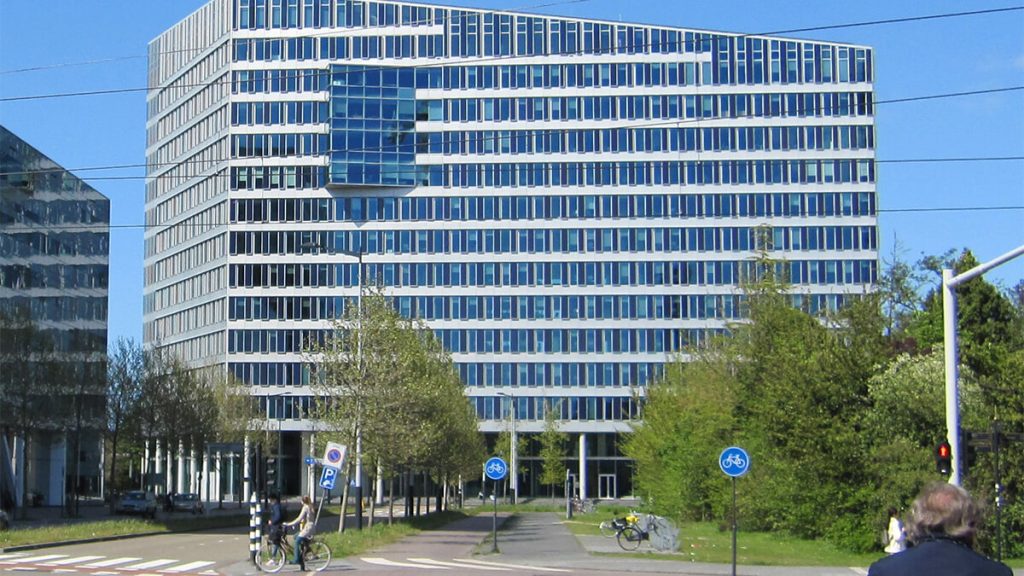
Third, technology has fundamentally changed the way we live, connecting us in ways that were unimaginable just a few decades ago. Buildings are now part of this interconnected world, and examples abound. Take The Edge in Amsterdam, widely regarded as one of the smartest and greenest buildings in the world, with its energy-efficient design and integrated systems that optimize workspaces. Another example is Singapore’s Marina One, which features advanced ventilation systems and urban greenery to support both sustainability and wellness. These buildings show how technology isn’t just enhancing functionality—it’s creating communities where people and systems work in harmony.
Fourth, the technology has come a long way. Tools that once seemed out of reach—sensors, automation, data platforms—are now more affordable and easier to incorporate. Today, intelligence isn’t just an add-on to a building; it can be woven directly into its design from the ground up, forming a vital part of the overall user experience.
So, it’s not just about imagining the future anymore. The smart building revolution is here, and it’s changing the way we live, work, and care for the spaces we inhabit. It’s quieter than you might think. But make no mistake—it’s essential.
#PropertyReportFeature
#FeaturedStory
